
Addiction: The Hidden Global Epidemic
Addiction: The Hidden Global Epidemic You Need to Know About
Introduction
Addiction does not just happen behind closed doors—it’s a crisis sweeping across nations, cultures and age groups. Whether it's alcohol, drugs, or even behavioural addictions, the numbers are staggering, the consequences far-reaching—and most people only scratch the surface. If you landed here via Google and have never heard the full story, buckle up. This article will walk you through the why, the what, and the what we can do of addiction on a world scale.
1. What is Addiction and Why Does It Matter?
At its core, addiction is a chronic condition characterised by compulsive use of a substance or engagement in a behaviour, despite harmful consequences. It rewires the brain’s reward circuitry and often co-exists with other mental health issues. In fact, the interplay between addiction and mental illness is critical to understanding the scope of the problem. (CAMH)
2. The Global Numbers – It’s Bigger Than You Think


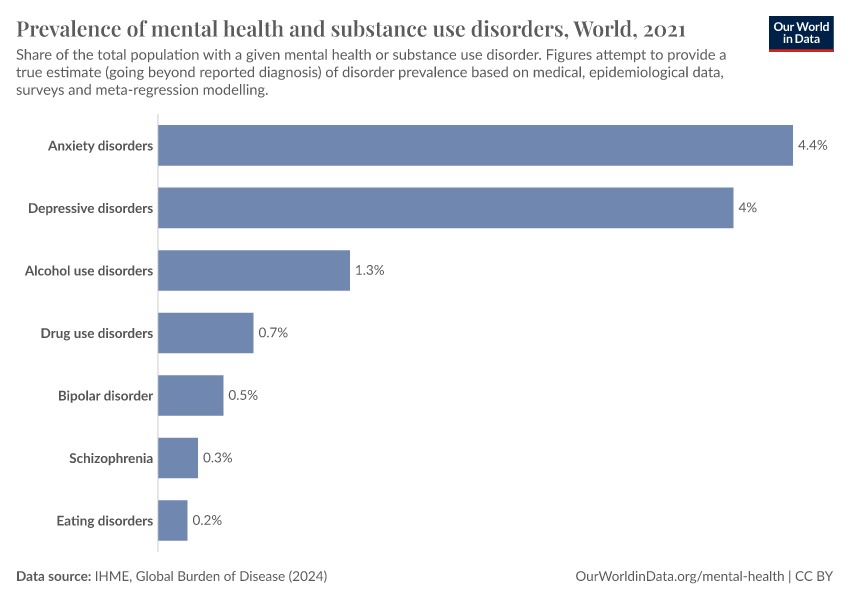
- Mental and addictive disorders affected more than one billion people globally in 2016, causing about 7% of the global burden of disease and 19% of years lived with disability. (PubMed)
- The worldwide prevalence of substance-use disorders was 2.2% and mental disorders at 13%, with anxiety disorders at 4.1% and depressive disorders at 3.8%. (PubMed)
- For alcohol use disorders: in 2016, roughly 8.6% of adult men globally had an alcohol use disorder, versus 1.7% of adult women. (PMC)
- In 2019, drug-use disorders alone accounted for nearly 86,000 global deaths. (PAHO)
3. Why Is It So Hard to Fight?
- Co-occurrence with mental illness: People with substance-use disorders are up to 3× more likely to have a mental illness. (CAMH)
- Stigma & low treatment rates: Many avoid help due to shame or lack of access. (Commonwealth Fund)
- Global inequality: Lower-income countries often have fewer resources for prevention and treatment. (PMC)
- Behavioural addictions: Increasingly recognised for gaming, internet, and food-related patterns, complicating detection and treatment.
4. Real-Life Impact: Lives, Families, Societies
Addiction affects:
- Health: Increases risk of chronic diseases, injuries, mental disorders, and early mortality.
- Social: Family breakdown, job loss, homelessness, increased crime.
- Economic: Productivity loss, healthcare costs, loss of life and talent.
5. What’s Changing – Hope and Innovations
- Integrated treatments: Combining mental health and addiction treatment reduces relapse.
- Better data & policy: WHO is improving global monitoring. (WHO)
- Public awareness: Falling stigma encourages help-seeking and innovation.
- Prevention: Early intervention, policy, and healthier environments are gaining traction.
6. What You Can Do
Three steps anyone can take:
- Educate yourself & others: Recognise addiction signs, have open conversations, challenge stigma.
- Support prevention efforts: Community programs, mentoring, or digital wellness awareness.
- Take action if needed: Encourage professional help if you or someone you know struggles.
Conclusion
Addiction is real, global, and often misunderstood. Its impact on health, society, and economies demands attention. By understanding the problem, sharing knowledge, and supporting change, each of us can help combat this epidemic.
External Links & References
- WHO – Alcohol, Drugs and Addictive Behaviours
- Recovery Research Institute – Addiction Impact
- UNODC – World Drug Report 2020
- CAMH – Mental-Illness and Addiction Facts
Tags
addiction, global addiction, substance use disorder, mental health, behavioural addiction, public health, treatment and prevention, global statistics addiction
