
Bulgaria's Energy Lifeline: A Strategic Maneuver Amidst Geopolitical Tides
Bulgaria's Energy Lifeline: A Strategic Maneuver Amidst Geopolitical Tides
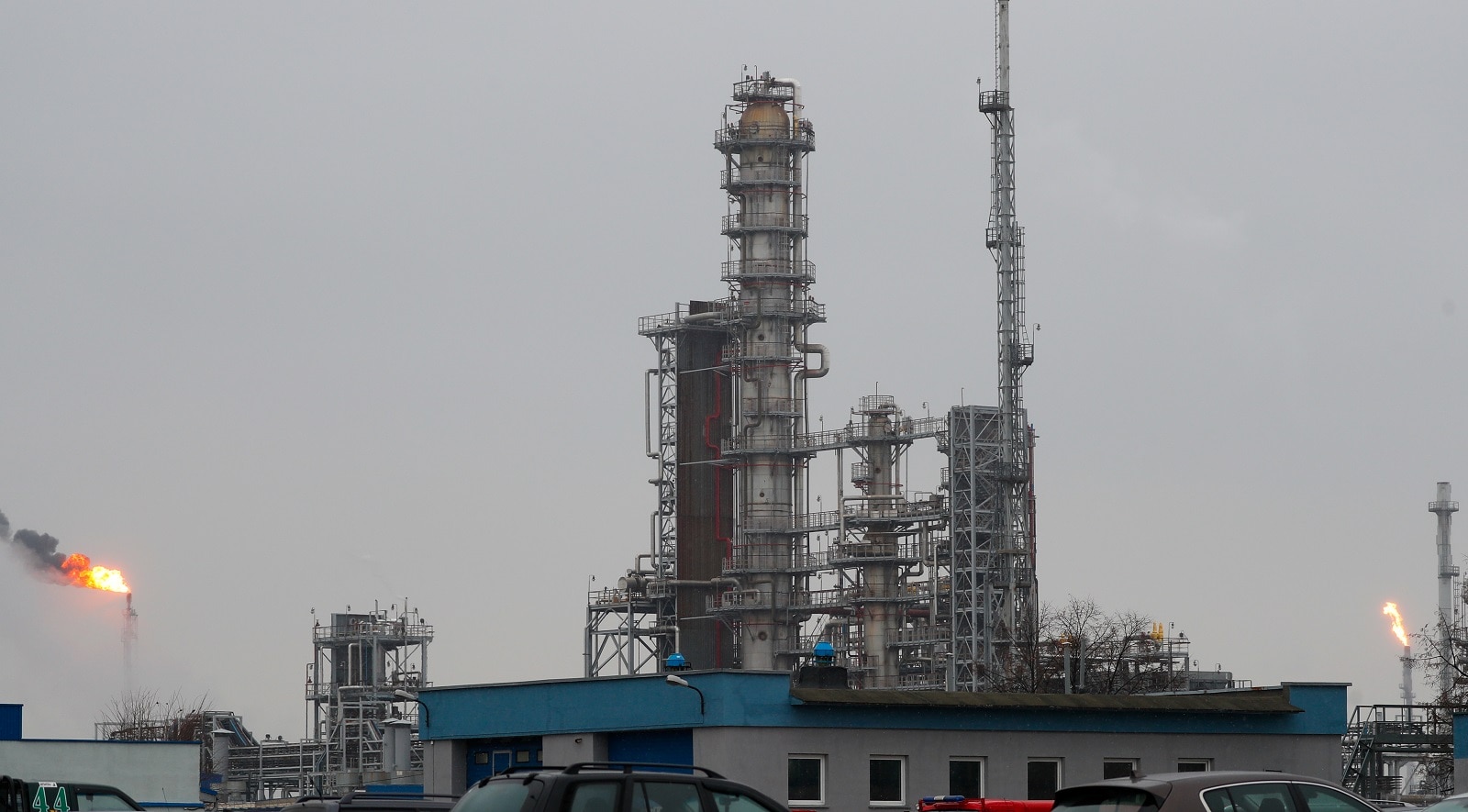
In a bold move reflecting the intricate dance of energy security and international relations, Bulgaria has taken decisive legislative action to safeguard its sole oil refinery from potential disruption. The Bulgarian Parliament in Sofia recently approved critical legal changes, granting significantly enhanced state authority to a government-appointed manager overseeing the operations of the Lukoil-owned Burgas refinery on the Black Sea coast.
This proactive step underscores a broader narrative of nations navigating an increasingly complex geopolitical landscape, where energy supplies are not merely commodities but crucial pillars of national stability and economic resilience. The looming specter of US sanctions has clearly prompted Sofia to batten down the hatches, ensuring an uninterrupted flow of fuel for its citizens and industries.
The Heart of Bulgaria's Fuel Supply
The Burgas refinery, strategically located on Bulgaria’s Black Sea coast, is far more than just an industrial facility; it is the absolute bedrock of the nation's refined petroleum product supply. From gasoline to diesel, the refinery processes crude oil into essential fuels that power Bulgaria's transport, agriculture, and industrial sectors, making its continued operation non-negotiable for the country's economic function and daily life.
Its ownership by Russia's Lukoil, however, places it in a delicate position, especially in the current climate of heightened scrutiny on Russian assets and economic ties following geopolitical events. While beneficial for historical supply chains, this connection now presents a potential vulnerability that the Bulgarian government is keen to mitigate through direct intervention.
Navigating the Sanctions Maze
The impetus for Bulgaria's legislative action stems directly from the anticipation of forthcoming US sanctions. While the specifics of these sanctions remain to be fully detailed, the overarching objective is often to limit the revenue and operational capabilities of entities with ties to certain foreign states, impacting their global reach and financial transactions. For a critical asset like the Burgas refinery, such sanctions could pose severe operational challenges, including banking restrictions, difficulties in sourcing spare parts, or even halting crude oil imports and product exports.
Such a shutdown, or even a significant slowdown, would not only cripple Bulgaria's energy supply but also unleash cascading economic consequences. The government’s move is therefore a preemptive strike, designed to create a legal framework that insulates the refinery from the harshest impacts, ensuring its continuity under direct national oversight if necessary.
Bulgaria's Legal Safeguard: A Proactive Stance
Empowering State Oversight
The approved legal changes are a clear demonstration of Bulgaria's commitment to national energy security. By vesting a government-appointed manager with additional state authority, Sofia aims to create a robust mechanism for control and supervision, potentially overriding previous operational limitations or external pressures that could arise from sanctions. This could include oversight of supply chains, financial transactions, and operational decisions, all geared towards maintaining refinery output.
This mechanism effectively places the refinery's operational fate firmly in Bulgarian hands, ensuring that decisions prioritizing national supply stability can be made without undue external influence. It represents a significant assertion of sovereignty over a vital strategic asset, even while acknowledging its international ownership context.
Implications and the Path Forward
Bulgaria's actions will undoubtedly be watched closely by international observers and other nations grappling with similar challenges of foreign-owned critical infrastructure amidst evolving geopolitical tensions. It sets a precedent for how a state might navigate the complex interplay between foreign investment, national security, and international sanctions.
While the immediate goal is to prevent a shutdown and secure fuel supplies, the long-term implications are multi-faceted. This move could spark debates around the rights of foreign investors, potential legal challenges, and the delicate balance between nationalizing operational control versus respecting international business agreements. However, from Sofia's perspective, the imperative of avoiding a national energy crisis clearly outweighs these concerns in the short to medium term.
The path ahead will require astute diplomacy and careful management. Bulgaria must not only ensure the smooth functioning of the Burgas refinery but also navigate its relationships with international partners, particularly the United States, to explain the rationale behind its protective measures. This is a testament to the fact that energy security today is inextricably linked with geopolitical strategy, demanding agile and decisive policy responses.
Ultimately, this legislative shift signals Bulgaria's unwavering commitment to securing its energy future, even when faced with significant external pressures. It’s a pragmatic approach to an urgent national need, demonstrating a readiness to adapt domestic legal frameworks to shield essential services from the volatility of global politics. The nation’s resilience in the face of such challenges will be a crucial factor in its continued economic stability and growth.
References & External Links
- European Energy Insight: Bulgaria's Refinery Policy Shift
- Balkan Monitor: Strengthening Bulgaria's Energy Security
- Global Security Analysis: Sanctions and European Energy Infrastructure
Tags
Bulgaria, Energy Security, Oil Refinery, Burgas, Lukoil, US Sanctions, Geopolitics, State Intervention, European Energy, Black Sea
