
How Artificial Intelligence Is Reshaping Research & Decision-Making in 2025
How Artificial Intelligence Is Reshaping Research & Decision-Making in 2025
Introduction
In 2025, the landscape of research and decision-making is being transformed by the rapid advances in Artificial Intelligence (AI). What was once confined to academic labs and specialist fields is now influencing how businesses operate, how science is conducted, and how we interpret data. For researchers, managers, and decision-makers, understanding these shifts is no longer optional — it’s essential.
This article dives into three major dimensions of AI’s impact, explores key breakthroughs, highlights both opportunity and caution, and offers practical take‑aways for professionals.
1. From Data to Insight: AI-Powered Research Acceleration



One of the most compelling changes is how AI is accelerating research itself. According to the Stanford HUMA Research Institute’s 2025 AI Index Report, AI performance on demanding benchmarks continues to improve and AI is increasingly embedded in everyday life.
- Models are being trained to simulate and predict complex scientific phenomena, drastically reducing experiment cycles. (arXiv)
- Engineers and scientists are using virtual environments to train robotic systems or test designs faster than ever before. (MIT News)
2. AI in Business & Decision-Making: The New Leverage
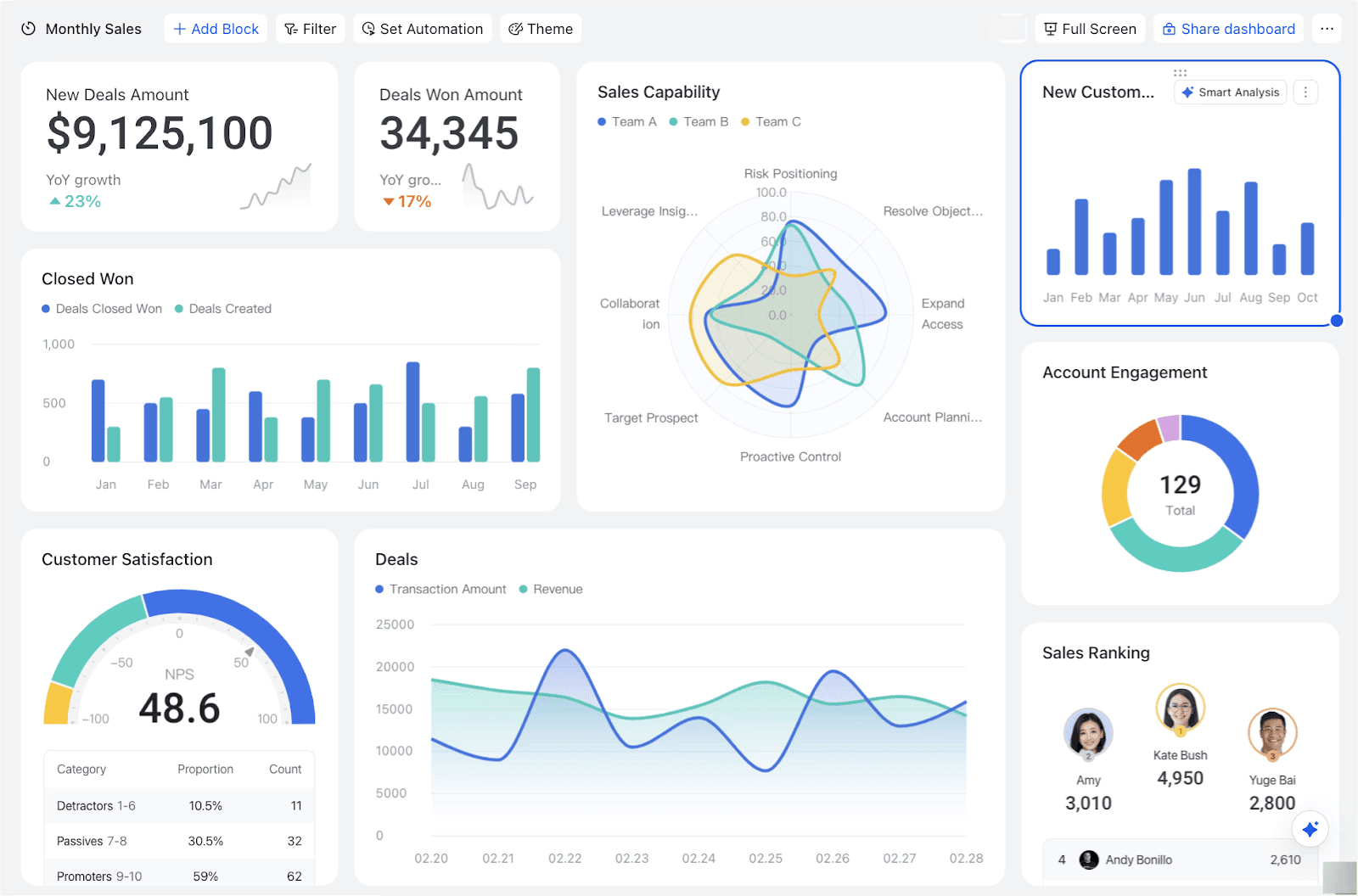
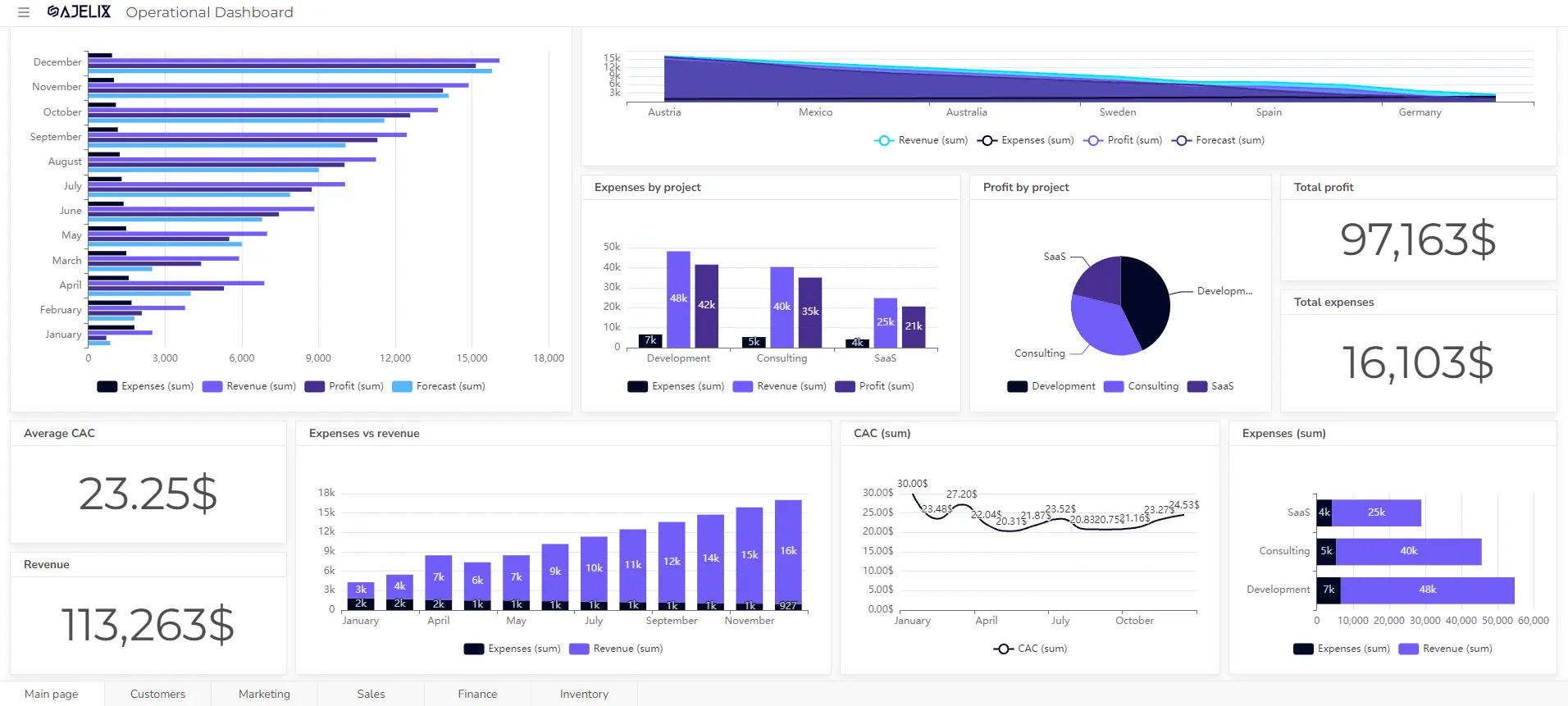
AI’s impact isn’t limited to labs — it’s deeply entering business operations. A recent report by McKinsey & Company shows that AI technology is advancing at record speed, with wide adoption among large organisations. (McKinsey)
- Automation of repetitive tasks, freeing human resources for strategic work.
- Predictive analytics helping companies anticipate customer behaviour, supply‑chain issues or maintenance needs. (Johns Hopkins EP)
- Adoption of generative AI for content creation, code generation, and decision support.
3. Ethical, Regulatory & Human Factors: The Other Side of the Coin

With the power of AI comes responsibility. Some of the salient concerns:
- The pace of AI exceeding regulatory frameworks. (Science Daily)
- Issues of bias, transparency and explainability. (Wikipedia)
- Human‑machine collaboration: AI doesn’t replace humans yet — the most effective systems combine human insight with machine speed. (Wikipedia)
Major Breakthroughs Worth Watching
- Procedural memory architecture for AI agents that allows incremental learning. (Crescendo AI)
- Virtual training grounds for robot-training and behavior modeling at MIT. (MIT News)
- Embedding AI across sectors — business, health, everyday life. (Stanford HAI)
Practical Steps for Researchers & IT Professionals
- Stay updated: Subscribe to journals like Journal of Artificial Intelligence Research. (JAIR)
- Identify internal use-cases for AI in monitoring, alerts, or decision-making.
- Governance plan: Ensure AI tools are transparent, auditable, and secure.
- Hybrid skill-set: Combine IT expertise with analytics literacy.
Closing Thoughts
Artificial intelligence is no longer a fringe domain. It is becoming the backbone of how research is done, how decisions are made, and how infrastructures are built. The key will be how we use them, why we use them, and with what guardrails. Professionals with operational and technical experience are well-positioned to lead this transition.
References & External Links
- Advancements in AI and Machine Learning – InData Labs
- Artificial Intelligence – MIT News
- AI in the workplace – McKinsey
- AI Index Report 2025 – Stanford HAI
- Explainable AI – Wikipedia
Tags
artificial intelligence, AI in research, AI in business, AI ethics, machine learning trends 2025, IT professionals AI, decision-making with AI
