
An Exodus of Hope: El-Fasher's Fall and Sudan's Deepening Plight
An Exodus of Hope: El-Fasher's Fall and Sudan's Deepening Plight
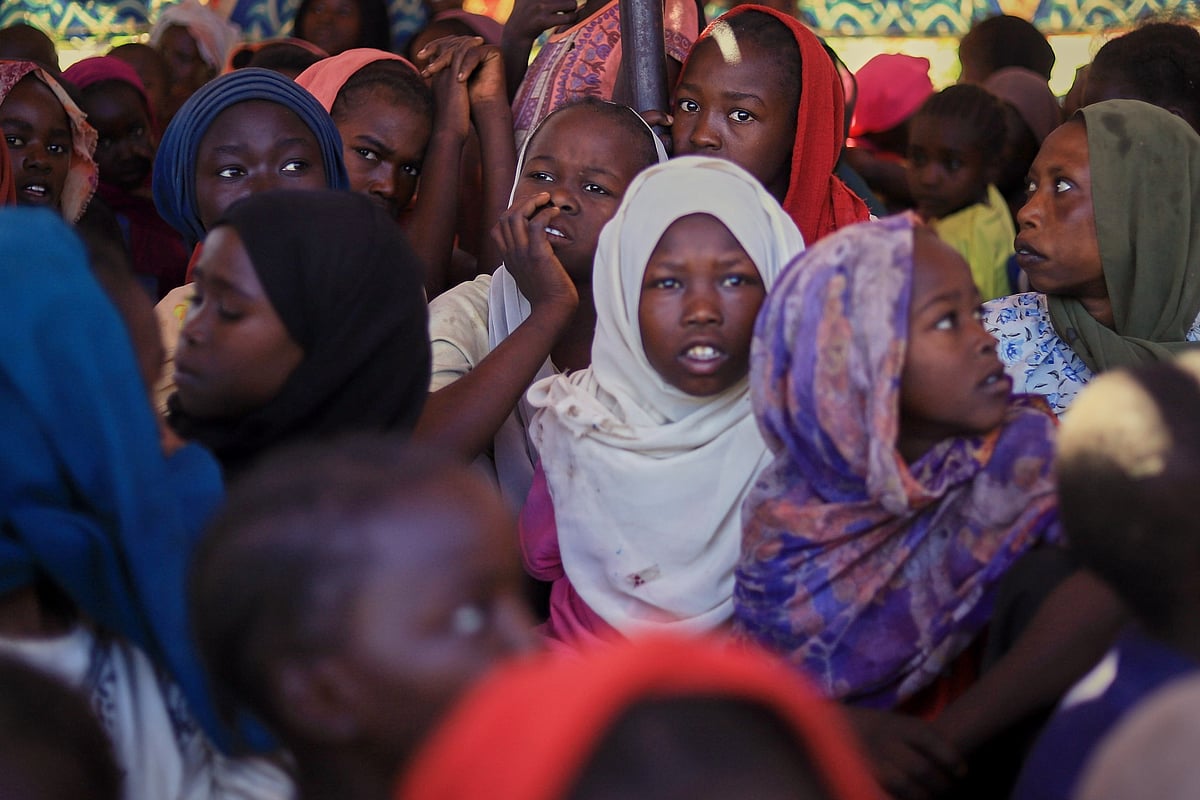
The silence of headlines often belies the deafening roar of human suffering. In Sudan, that roar has intensified dramatically with the recent events in El-Fasher, a city once seen as a sanctuary, now a stark testament to a conflict that refuses to recede. The capture of this pivotal city by the Rapid Support Forces (RSF) has triggered a new wave of displacement, casting thousands into an already desperate landscape.
For over a year, Sudan has been embroiled in a devastating conflict between the Sudanese Armed Forces (SAF) and the RSF, plunging the nation into an unprecedented humanitarian crisis. What began as a power struggle has spiraled into widespread violence, creating one of the world's largest displacement crises, with millions forced from their homes and livelihoods.
The Fall of El-Fasher: A Critical Turning Point
El-Fasher, a strategic hub in North Darfur, held immense significance not just militarily but as a crucial humanitarian corridor and a refuge for those fleeing earlier violence. Its fall marks a grave escalation, dismantling a fragile sense of security and leaving countless civilians with no option but to seek safety elsewhere, often in overcrowded and under-resourced camps.
The immediate aftermath of the city's capture has painted a grim picture of chaos and destruction. Reports and testimonies from those on the ground describe an environment of fear and devastation, with critical infrastructure, including medical facilities, severely impacted. The human cost of such military advances is immeasurable, measured not just in lives lost but in shattered futures and enduring trauma.
The Journey to Overcrowded Camps
Driven by an instinct for survival, thousands have embarked on perilous journeys, abandoning their homes and everything they know. These desperate treks often involve long walks under scorching sun, with little food or water, carrying only what they can physically manage. The destination, more often than not, is an existing camp already bursting at the seams.
Upon arrival, the reality is stark. These camps, originally designed for far fewer individuals, are now struggling to cope with the influx. Resources like clean water, sanitation facilities, food, and medical supplies are stretched to breaking point, increasing the risk of disease and further exacerbating the suffering of an already vulnerable population.
Contradictory Narratives and the Search for Truth
Amidst the unfolding tragedy, conflicting narratives emerge. The RSF has vehemently denied accusations of atrocities, including specific incidents at vital civilian infrastructure like the Saudi Hospital. However, these denials stand in stark contrast to the harrowing accounts of survivors, corroborated by online videos and satellite imagery that paint a devastating picture of destruction and human rights violations.
The dissonance between official statements and eyewitness testimonies underscores the brutal reality on the ground. For those fleeing, the truth is not a matter of political rhetoric but of lived experience – the terror of bombardment, the loss of loved ones, and the overwhelming desperation of their circumstances.
A Call for Global Awareness and Action
The situation in Sudan, particularly after the fall of El-Fasher, demands urgent international attention and a robust humanitarian response. The world cannot afford to turn a blind eye to a crisis of this magnitude, where millions are at risk of starvation, disease, and continued violence. The responsibility to protect civilians and ensure humanitarian access is paramount.
Immediate aid is crucial, but so too is sustained diplomatic pressure to halt the conflict and establish a lasting peace. The international community must leverage its influence to facilitate ceasefires, protect civilian populations, and support local initiatives working towards stability and recovery. Without a concerted effort, the echoes of El-Fasher's fall will reverberate for generations.
The human spirit, even in the face of such overwhelming adversity, shows incredible resilience. Yet, resilience alone cannot feed hungry children or rebuild shattered homes. It needs the support of a global conscience that recognizes the shared humanity binding us all, regardless of geography or political affiliation.
The story of El-Fasher is a tragic reminder of the devastating impact of conflict on civilian lives. It serves as a stark call to action, urging us to look beyond the headlines and truly confront the unthinkable. It is a plea for peace, for aid, and for accountability, so that the hope of an exodus might one day transform into a journey home.
References & External Links
- Global Report: Sudan's Crisis Deepens with El-Fasher Humanitarian Catastrophe
- Peace Observer: Analysis of Darfur Conflict Escalation and Regional Impact
- Humanitarian Watch: Latest Reports on Sudan Displacement Figures and Needs
