
Brussels' Green Beacon: EU Forges Crucial Climate Pact Ahead of COP30
Brussels' Green Beacon: EU Forges Crucial Climate Pact Ahead of COP30
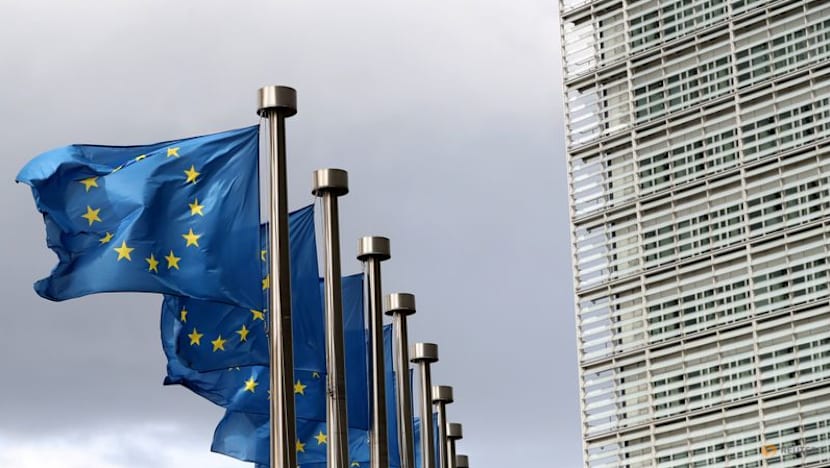
In an era increasingly defined by climate urgency, the European Union stands at a pivotal juncture, navigating the complex currents of environmental ambition and economic reality. The global stage for climate action, with the impending COP30 summit looming large, demands decisive leadership and tangible commitments. It is against this backdrop that the EU's recent efforts take on profound significance, showcasing the immense political will required to steer a continent towards a sustainable future.
A notable breakthrough has emerged from Brussels, where the EU's 27 member states have successfully hammered out a deal on the bloc's next wave of emissions-cutting targets. This agreement, forged after months of intense deliberation and critical overnight concessions, arrives just in time to solidify the EU's position as a serious player in the global climate arena as delegations prepare for COP30.
The Long Road to Consensus
Reaching a unified stance among 27 diverse nations, each with its unique economic landscape, energy dependencies, and social priorities, is an extraordinary feat. The journey to this agreement was characterized by protracted negotiations, often described as 'haggling,' where member states balanced their national interests against the collective imperative of tackling climate change. The necessity for these 'last-ditch' efforts and 'overnight concessions' underscores the sheer difficulty of bridging such varied perspectives.
The agreement focuses on two separate but interconnected targets for slashing emissions, designed to propel the EU closer to its overarching goal of climate neutrality. These targets are not merely aspirational figures; they represent concrete benchmarks that will shape policy, investment, and innovation across the continent for years to come, influencing every sector from energy to transport and agriculture.
My interpretation of this development is one of cautious optimism. While the concessions indicate the compromises inherent in such a multi-stakeholder negotiation, the fact that a deal was struck at all, and under such pressure, speaks volumes about the underlying commitment to climate action within the EU. It demonstrates that even when faced with significant internal hurdles, the bloc retains a capacity for collective action on monumental challenges.
Balancing Ambition with Pragmatism
The core of these discussions revolved around striking a delicate balance: how to set ambitious, scientifically-backed emissions reduction targets without unduly burdening specific industries or economies that might be slower to transition. This is a perpetual tension in climate policy, and the EU's approach often involves a mix of regulatory frameworks, financial incentives, and technological support to smooth the transition for all members.
This internal alignment is not just about fulfilling promises to its citizens; it's about projecting a cohesive and determined front on the global stage. The EU has consistently positioned itself as a leader in climate policy, and its ability to achieve internal consensus on significant targets reinforces this image, providing credibility ahead of international summits.
EU's Role on the Global Stage: Looking Towards COP30
With COP30 on the horizon, the EU's newly minted agreement sends a powerful message to other nations. It signals that even in a complex geopolitical and economic environment, concerted action on climate change is not only possible but imperative. This internal demonstration of unity and resolve could inspire similar efforts in other major economies and developing nations, urging them to accelerate their own climate ambitions.
The EU’s leadership in setting ambitious climate goals and then demonstrating the political will to achieve them through collective agreement is crucial. It provides a blueprint, however imperfect, for how diverse entities can collaborate towards a common, existential goal. The bloc’s delegation will arrive at COP30 armed with renewed confidence, ready to advocate for stronger global commitments and foster international cooperation.
However, securing a deal is just the initial victory. The true test lies in the diligent implementation of these targets, the continuous monitoring of progress, and the willingness to adapt to new scientific findings and technological advancements. The path to a sustainable future is not linear, and it will require unwavering dedication beyond the fanfare of any summit or agreement.
Ultimately, the EU’s latest climate pact is a testament to the enduring power of diplomacy and shared vision. It serves as a reminder that despite formidable challenges, progress is achievable when nations commit to working together for a healthier planet. As the world turns its gaze towards COP30, Brussels' green beacon shines a light of hope, signaling that collective ambition, though difficult to forge, remains our most potent tool against the climate crisis.
References & External Links
- European Parliament: EU ambition on climate action
- European Commission: EU Climate Action & Targets
- UNFCCC: COP30 Official Information
