
Cross-Border Crossroads: Weighing a New U.S. Mission in Mexico
Cross-Border Crossroads: Weighing a New U.S. Mission in Mexico
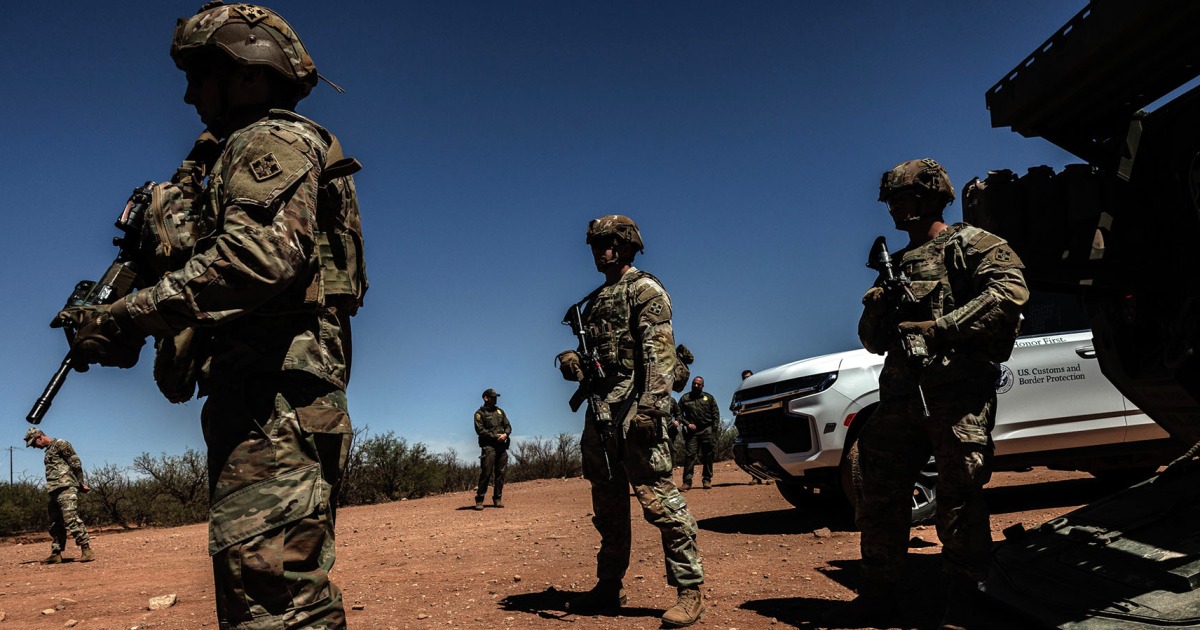
Reports emerging from Washington indicate a significant shift in U.S. strategy regarding the relentless battle against drug cartels. The Trump administration is reportedly engaged in detailed planning for an unprecedented mission, potentially deploying U.S. troops and intelligence officers directly into Mexico. This development signals a potential escalation of efforts, moving beyond traditional cooperation frameworks to a more direct, interventionist approach against powerful criminal organizations.
For decades, the presence and influence of drug cartels have plagued both Mexico and the United States, fueling a cycle of violence, corruption, and illicit trade that impacts communities across the continent. From the tragic flow of narcotics to the human cost of cartel warfare, the challenge is immense and multifaceted, demanding robust, yet carefully considered, responses from all involved nations.
The Proposed Mission: What We Know
According to U.S. officials familiar with the discussions, the proposed mission would involve a direct deployment of American military personnel and intelligence assets. This move represents a departure from current U.S. involvement, which primarily focuses on intelligence sharing, training, and equipment provision to Mexican security forces. The shift to a direct operational role underscores the perceived urgency and gravity of the cartel threat.
Such an initiative would plunge U.S. forces into the complex and dangerous operational landscape of Mexico, a territory marked by entrenched cartel networks and varied terrains. The precision required for such a mission, coupled with the potential for unforeseen engagements, would necessitate meticulous planning and an acute understanding of the local dynamics, far beyond the scope of previous bilateral efforts.
Navigating Sovereignty and Strategy
The Sovereignty Question
One of the most immediate and profound considerations for any such mission is the matter of national sovereignty. The deployment of foreign troops on Mexican soil, even with a shared objective, touches upon deep historical sensitivities and legal frameworks. Mexico, as a sovereign nation, holds the primary authority over its territory and any external military presence would require extensive diplomatic negotiation and formal consent, likely facing considerable public scrutiny.
History is replete with examples of the delicate balance required in cross-border security cooperation, particularly when military intervention is proposed. Maintaining mutual respect and ensuring that Mexican institutions are empowered, rather than sidelined, will be crucial for the legitimacy and long-term success of any joint operation. Without this, the mission risks diplomatic friction and a backlash that could undermine its very goals.
Effectiveness and Risks
While the stated goal is to degrade cartel operations, the effectiveness of direct U.S. military intervention is a subject of intense debate. Cartels are highly adaptable and deeply embedded, operating with sophisticated intelligence and leveraging local populations. A military solution, without addressing the underlying socio-economic factors that fuel cartel recruitment, might offer short-term gains but fail to dismantle the broader criminal enterprise.
Moreover, the risks involved are substantial. U.S. forces operating in Mexico could face direct confrontations with heavily armed cartel elements, raising the specter of casualties and potential escalation. There is also the danger of unintended consequences, such as civilian harm or the perception of an occupation, which could inflame anti-American sentiment and inadvertently bolster cartel narratives of resistance against foreign interference.
Broader Implications
Beyond the immediate operational aspects, a mission of this nature would carry significant implications for the future of U.S.-Mexico relations and regional security dynamics. It could set a precedent for future cross-border interventions, redefine the concept of national security threats, and influence how international cooperation against transnational crime is approached in the hemisphere. The long-term stability of the border region hinges on a strategy that is both effective and sustainable.
The strategic deployment of intelligence officers alongside troops suggests a multi-pronged approach aimed at disrupting cartel leadership and logistics. Intelligence gathering and analysis are undeniably critical in combating these complex organizations, often more so than conventional military force. However, integrating these capabilities effectively and ethically within a foreign sovereign nation adds layers of complexity that must be carefully unraveled.
As these plans reportedly move forward, the global community watches keenly. The questions are many: How would such a mission be structured? What would be the rules of engagement? And critically, what would be the Mexican government's official stance and level of cooperation? These are not mere logistical details but fundamental challenges that will define the success or failure of such an ambitious undertaking.
Ultimately, any proposal for direct U.S. military involvement in Mexico’s cartel fight must be weighed with the utmost care, balancing the imperative to counter criminal organizations with the profound respect for national sovereignty and the potential for unintended consequences. The path ahead is fraught with complexity, demanding a nuanced approach that prioritizes long-term solutions over short-term interventions, and true partnership over unilateral action.
References & External Links
- U.S. Department of State: Mexico Relations
- Council on Foreign Relations: Mexico's Drug War
- Wilson Center: Mexico Institute Research
Tags
U.S. Mexico Relations, Drug Cartels, National Security, Border Security, Foreign Policy, Military Intervention, International Relations, Trump Administration, Intelligence Operations, Sovereignty
