
From Intuition to Innovation: 'Vibe Coding' and the Evolving Language of Tech
From Intuition to Innovation: 'Vibe Coding' and the Evolving Language of Tech
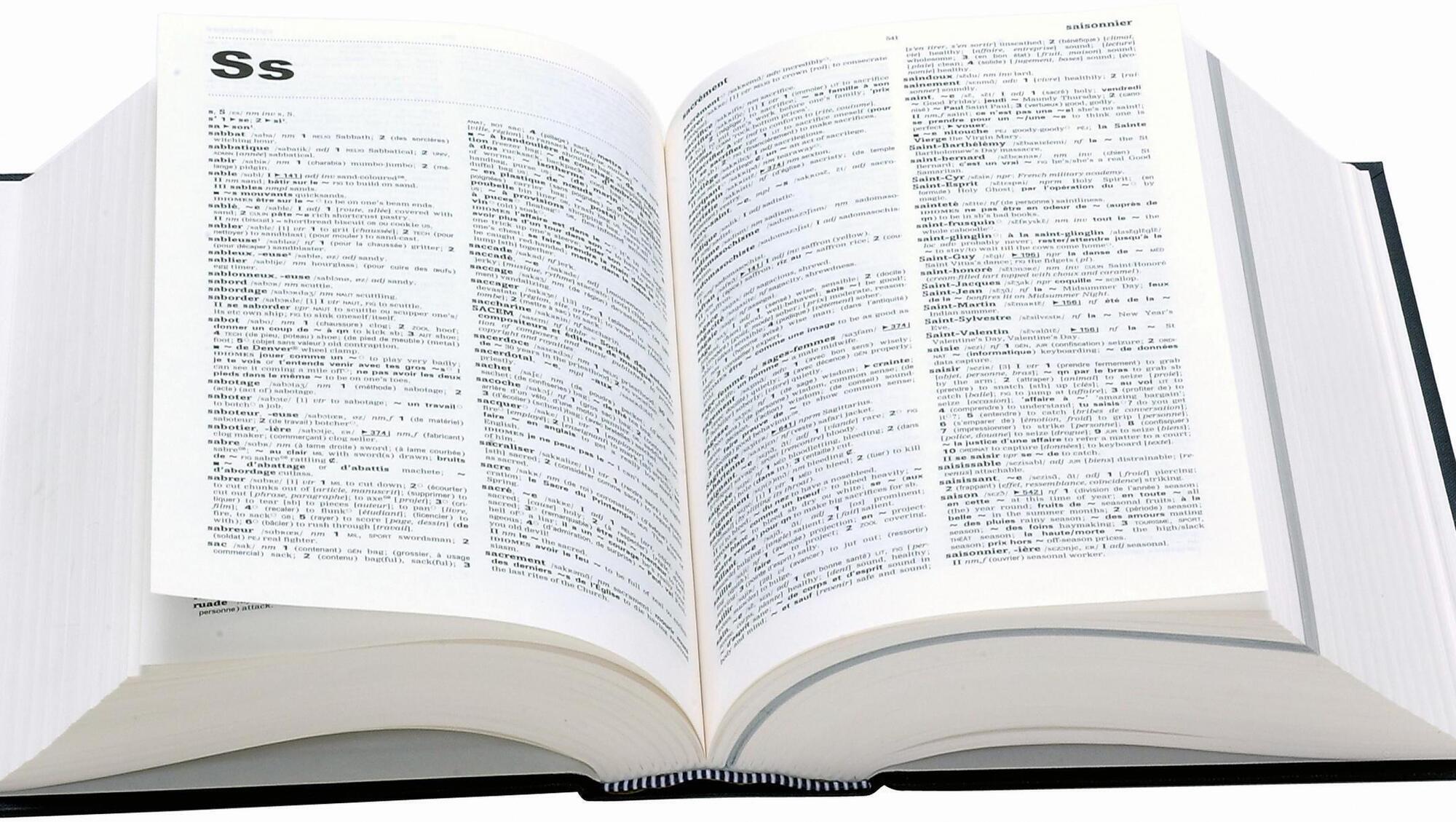
Every year, a single word rises above the linguistic din to capture the zeitgeist of our times, chosen by venerable institutions like Collins Dictionary. This year's pick, 'vibe coding', is more than just a catchy phrase; it's a profound signal of how rapidly technology is reshaping our professional landscapes, particularly in the realm of software development, and how our language scrambles to keep pace.
The selection of 'vibe coding' isn't merely an acknowledgment of a new term; it’s a spotlight on the accelerating integration of artificial intelligence into creative and technical processes. As AI tools become more sophisticated and accessible, they're not just automating tasks but fundamentally altering how humans interact with complex systems, blurring the lines between human intuition and machine logic.
What Exactly is Vibe Coding?
At its core, 'vibe coding' describes the act of using AI tools, such as large language models (LLMs), to generate computer code based on intuitive prompts or a general 'feeling' of what's needed, rather than meticulously crafting every line from scratch. It's about describing a desired outcome or function to an AI, and allowing it to manifest the underlying code, often with iterative adjustments based on the user's 'vibe' or evolving requirements.
The 'vibe' aspect is crucial here. It differentiates this approach from traditional, highly structured programming. It implies a more fluid, exploratory, and less syntactically rigid interaction, where the human provides guidance, direction, and a sense of purpose, while the AI handles the granular implementation. It speaks to a shift from explicit instruction to implicit intent.
The Cultural Barometer of Language
Collins Dictionary, in its role as a linguistic historian and cultural commentator, has once again demonstrated its keen awareness of shifts beneath the surface of everyday life. By anointing 'vibe coding' as its Word of the Year, it underscores that this isn't just a niche tech term; it's a concept gaining widespread recognition, influencing how we conceive of work, creativity, and problem-solving.
What makes this particular choice even more striking is its meteoric rise. First appearing only in February, 'vibe coding' has seen a monumental surge in usage, reflecting how quickly revolutionary concepts can become embedded in our collective consciousness. This swift adoption highlights the genuine need for a term to describe this burgeoning method of software creation, suggesting a significant paradigm shift already underway.
A New Paradigm for Developers?
For seasoned developers, 'vibe coding' represents both a powerful new ally and a challenging re-evaluation of traditional skill sets. The focus may shift from memorizing obscure syntaxes and algorithms to understanding system architecture, effective prompt engineering, and crucially, discerning whether the AI-generated code truly aligns with the project's 'vibe' and functional requirements.
This approach also holds the potential to democratize coding. Individuals without formal computer science backgrounds might now be empowered to bring their ideas to fruition, transforming abstract concepts into functional applications with the help of AI. It's an augmentation of human capacity, allowing more people to participate in digital creation, or enabling experts to iterate at unprecedented speeds.
Navigating the Nuances of AI-Assisted Development
While the allure of 'vibe coding' is strong, its adoption is not without important considerations. The quality, security, and maintainability of AI-generated code remain critical areas of focus. It compels us to consider the evolving responsibilities of human developers in this new landscape.
- Opaque Logic: AI-generated code can sometimes be less transparent, making debugging or understanding its underlying logic challenging.
- Ethical Oversight: Ensuring the AI adheres to ethical guidelines and avoids biases becomes paramount, especially in sensitive applications.
- Skill Evolution: Developers must adapt, moving towards roles focused on architectural design, prompt refinement, and critical code review.
- Security Implications: Automatically generated code might introduce unforeseen vulnerabilities if not rigorously scrutinized.
These points emphasize that 'vibe coding' isn't a silver bullet but rather a powerful new tool demanding a new set of human skills and oversight. It’s a testament to how language evolves to categorize and make sense of our ever-changing technological reality, much like how terms like 'web surfing' or 'cloud computing' once captured revolutionary shifts.
The Future of Human-AI Synergy
The emergence of 'vibe coding' as Collins' Word of the Year is more than just a linguistic footnote; it’s a cultural marker. It signifies a future where the partnership between human intuition and artificial intelligence becomes increasingly symbiotic, redefining not just how we write code, but how we solve problems, innovate, and express our creativity in a digital age.
As we continue to navigate this exciting, sometimes disorienting, technological revolution, our language will undoubtedly continue to stretch and adapt. 'Vibe coding' reminds us that while machines may write the lines, the ultimate 'vibe'—the vision, the intuition, the human touch—will always remain at the heart of true innovation.
References & External Links
- Collins Dictionary: Word of the Year 2023
- Tech Innovator Hub: The Rise of AI in Software Development
- Prompt Engineering Insights: Understanding Vibe Coding
