
Himalayan Crossroads: Nepal's Shifting Alliances and Regional Echoes
Himalayan Crossroads: Nepal's Shifting Alliances and Regional Echoes
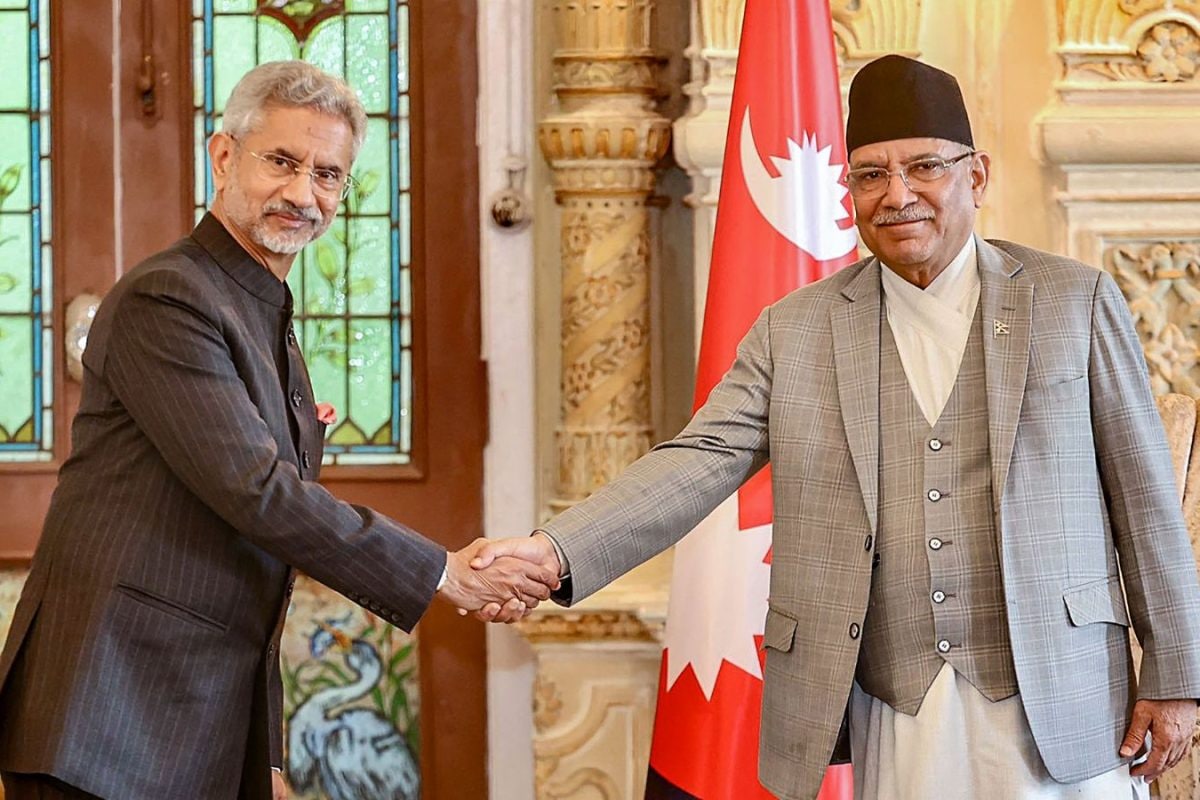
Nepal, a nation nestled in the Himalayas, often finds itself at the intersection of powerful geopolitical currents. Recent developments indicating the formation of a new nine-party pro-China left bloc are sending ripples across the region, prompting careful observation from its neighbors and global powers alike. This political realignment holds significant implications, particularly for India, given their historical ties and shared borders.
The Shifting Sands of Nepali Politics
The political landscape in Nepal is perpetually dynamic, characterized by frequent changes in government and the emergence of new alliances. The reported consolidation of a nine-party left bloc, allegedly with a pro-Beijing orientation, represents a substantial shift in this delicate balance, potentially reshaping domestic policy and foreign relations for years to come. This formation suggests a deliberate effort to create a unified front, presenting a formidable challenge to existing political configurations.
Such a bloc, if solidified, could foster greater internal cohesion among disparate left-leaning factions, allowing them to exert more influence on national decision-making. Their ideological alignment often includes a push for greater autonomy in foreign policy, which could translate into a more assertive stance on issues traditionally navigated through close bilateral relations with India, while also potentially opening new avenues for engagement with other global actors.
The Geopolitical Chessboard: China's Role
Behind these internal political maneuvers, intelligence reports have highlighted an active engagement from Chinese envoys within Nepal. These inputs suggest that Beijing is not a passive observer but is proactively involved in fostering relationships with key Maoist leaders, allegedly leveraging both financial incentives and political assurances to cement its influence. This proactive diplomacy signals a clear strategic interest in solidifying its presence in the Himalayan nation.
China's increasing assertiveness in its neighborhood is a well-documented trend, and its engagement in Nepal appears to be a crucial component of its broader Belt and Road Initiative (BRI) and regional strategic ambitions. By nurturing pro-Beijing sentiments within Nepal's political elite, China aims to secure its northern border, project its soft power, and potentially gain a more favorable geopolitical position in South Asia. This approach is consistent with a pattern of strategic investments and diplomatic overtures seen across many developing nations.
The allure of financial and political promises from a rising global power like China can be significant for political parties in a developing nation. Such offers might include infrastructure development projects, trade agreements, or even direct political support, all contributing to a narrative of economic growth and national development that resonates with various segments of the Nepali electorate and political leadership.
Implications for India
For India, these developments naturally raise concerns about its strategic depth and regional influence. Nepal has traditionally been a crucial buffer state, and a significant shift in its foreign policy alignment could have profound security implications. India shares a long, open border with Nepal, and the prospect of a government less amenable to Indian interests presents a complex challenge.
The potential for increased Chinese infrastructure projects near the India-Nepal border, or a more pronounced pro-China stance on multilateral platforms, would necessitate a robust re-evaluation of India's diplomatic and security strategies in the region. Maintaining a strong, cordial relationship with Kathmandu is paramount for India's national security and its leadership role in South Asia.
Furthermore, a tilt towards China could impact cultural and economic ties that have historically bound India and Nepal together. From trade routes to shared religious heritage, the relationship runs deep. Any significant alteration in this dynamic could lead to economic disruptions and strain the social fabric that has long characterized this unique bilateral bond.
The Broader Geopolitical Context
Beyond the immediate India-Nepal dynamic, these developments underscore the intensifying geopolitical rivalry between the United States and China on a global scale. Nepal, like many other nations, finds itself an arena where these two superpowers exert influence, each vying for strategic advantage through economic partnerships, political alliances, and diplomatic engagement. The formation of such a bloc highlights the complex choices smaller nations face in a multipolar world.
Looking Ahead: A Delicate Balance
The formation of Nepal’s new pro-China left bloc marks a pivotal moment in the nation's political trajectory and regional geopolitics. It necessitates a nuanced understanding and careful diplomatic engagement from all stakeholders, particularly India, to ensure stability and mutual respect in the region.
Navigating these evolving dynamics will require astute diplomacy, a focus on shared interests, and a commitment to fostering cooperative relationships that transcend ideological alignments. The future of Nepal, and indeed the broader South Asian balance, will depend on how these complex geopolitical threads are skillfully woven.
References & External Links
- Geopolitical Monitor: China in the Himalayas
- Carnegie India: India-Nepal Relations
- The Diplomat: Nepal's Left Bloc
Tags
Nepal, China, India, Geopolitics, Himalayan Region, Political Bloc, Foreign Policy, Regional Influence, South Asia, International Relations
