
Invisible Threat: Dhaka's Struggle for Breathable Air
Invisible Threat: Dhaka's Struggle for Breathable Air
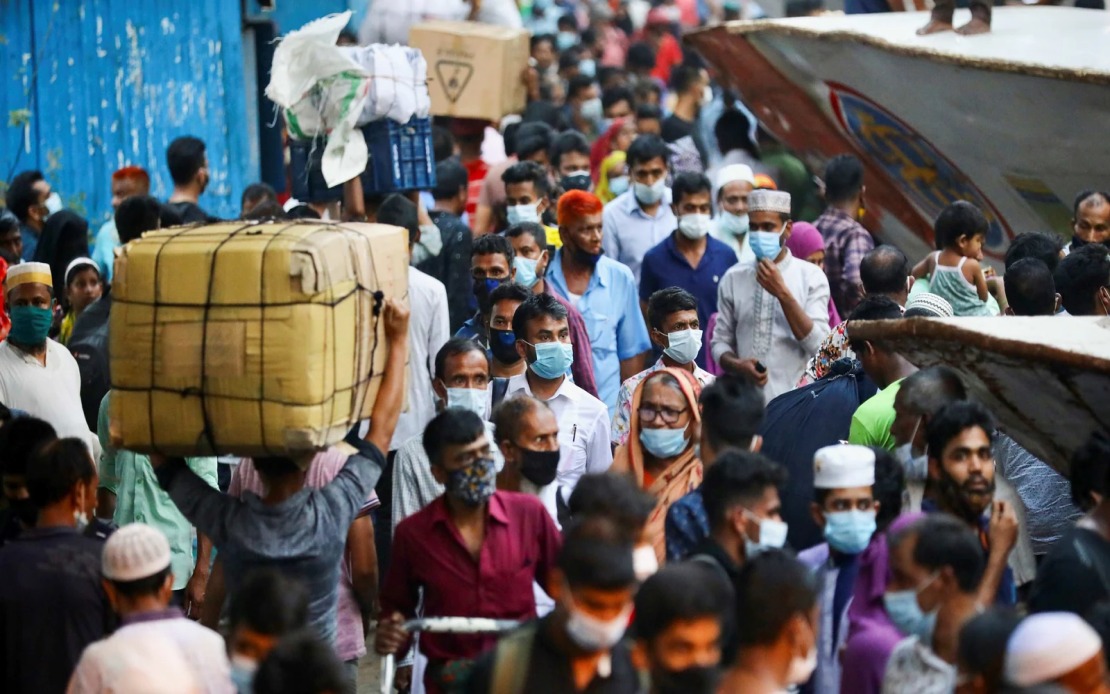
The dawn over Dhaka often brings with it more than just sunlight; it frequently ushers in a thick, visible haze, a stark reminder of a persistent challenge: debilitating air pollution. Recent reports once again place Bangladesh's capital in an unenviable position, ranking third globally for the worst air quality, registering an Air Quality Index (AQI) score of 187. This isn't just a number; it's a daily reality for millions, classifying the air as definitively 'unhealthy'.
For those unfamiliar with the terminology, an AQI score in this range signals significant health risks for the general public, not just sensitive groups. It means that prolonged exposure can lead to acute respiratory issues, exacerbate existing conditions, and contribute to long-term health problems. When a city's very atmosphere becomes a health hazard, it underscores a critical environmental and public health crisis that demands immediate attention and sustained action.
Living Under a Haze: The Daily Reality
Imagine starting your day knowing that every breath you take could be detrimental to your health. This is the grim reality for Dhaka's residents. Children commuting to school, street vendors, rickshaw pullers, and office workers all share the same polluted air, often without adequate protection. The immediate symptoms can range from irritated eyes and sore throats to coughing and difficulty breathing, making everyday life a strenuous ordeal.
Beyond these immediate discomforts, the long-term implications are far more severe. Medical professionals frequently report an increase in patients suffering from asthma, bronchitis, and other chronic respiratory diseases. Cardiovascular problems are also linked to prolonged exposure to fine particulate matter, turning the air itself into a silent assailant impacting quality of life and life expectancy.
The economic toll is equally significant. Productivity drops as sickness rises, and healthcare systems become increasingly burdened. For a bustling metropolis like Dhaka, where economic activity relies heavily on its workforce, poor air quality isn't just an environmental issue; it's a drag on development and a threat to socio-economic stability.
The broader societal implications of poor air quality often extend to mental well-being, as a constant environmental stressor can lead to anxiety and a diminished sense of quality of life for urban dwellers, creating a pervasive sense of unease.
Unpacking the Sources: Why Dhaka Struggles
A Complex Web of Contributors
- Vehicle Emissions: A rapidly expanding fleet of vehicles, often older models with inefficient engines, contributes significantly to airborne pollutants.
- Industrial Pollution: Unregulated or poorly regulated industries, particularly around the city's periphery, discharge harmful gases and particulate matter into the atmosphere.
- Construction Dust: Dhaka is a city in constant development. Construction activities, while essential, often lack proper dust mitigation measures, adding immense amounts of particulate matter to the air.
- Brick Kilns: Seasonal operations of numerous brick kilns surrounding the capital are notorious for emitting vast quantities of black carbon and other pollutants.
- Transboundary Pollution: The regional context cannot be ignored. The mention of Delhi, Lahore, and Kuwait City sharing similar fates suggests that meteorological patterns and regional emissions also play a role, carrying pollutants across borders.
Addressing these multifaceted sources requires a comprehensive and integrated approach, moving beyond piecemeal solutions. It necessitates a shift towards cleaner energy, stricter industrial regulations, improved urban planning, and a more robust public transportation system to reduce reliance on private vehicles.
The fact that Dhaka frequently finds itself alongside other South Asian and Middle Eastern cities like Delhi, Lahore, and Kuwait City highlights a broader regional challenge. While local factors are paramount, there's also a need for regional cooperation on environmental policies to tackle the transboundary movement of pollutants effectively.
Towards a Clearer Horizon: Steps Forward
Improving Dhaka's air quality is not an insurmountable task, but it requires political will, public awareness, and sustained investment. Implementing stringent emission standards for vehicles and industries, promoting renewable energy sources, and enforcing dust control measures at construction sites are vital first steps. Furthermore, investing in green infrastructure and expanding urban green spaces can help naturally filter the air.
Public engagement is equally crucial. Educating citizens about the risks and empowering them with knowledge about protective measures, such as using masks on high-pollution days, can mitigate immediate impacts. More importantly, fostering a collective demand for cleaner air can galvanize policy makers into taking decisive action.
While the statistics paint a grim picture, they also serve as a powerful call to action. Dhaka's journey towards breathable air will be long and challenging, but it is a journey that must be embarked upon with urgency and conviction. The health and well-being of its citizens, and the city's future prosperity, depend on it.
Ultimately, addressing air pollution is about more than just numbers on an AQI report; it's about ensuring a fundamental human right: the right to breathe clean air. Dhaka, with its vibrant culture and resilient population, deserves a future where its skies are clear, and its people can thrive without the invisible threat looming overhead.
References & External Links
- World Health Organization - Air Pollution
- IQAir - Dhaka Air Quality Data
- Bangladesh Department of Environment
