
Navigating the 'No, Not Really': Tomahawks, Kyiv, and the Evolving Aid Landscape
Navigating the 'No, Not Really': Tomahawks, Kyiv, and the Evolving Aid Landscape
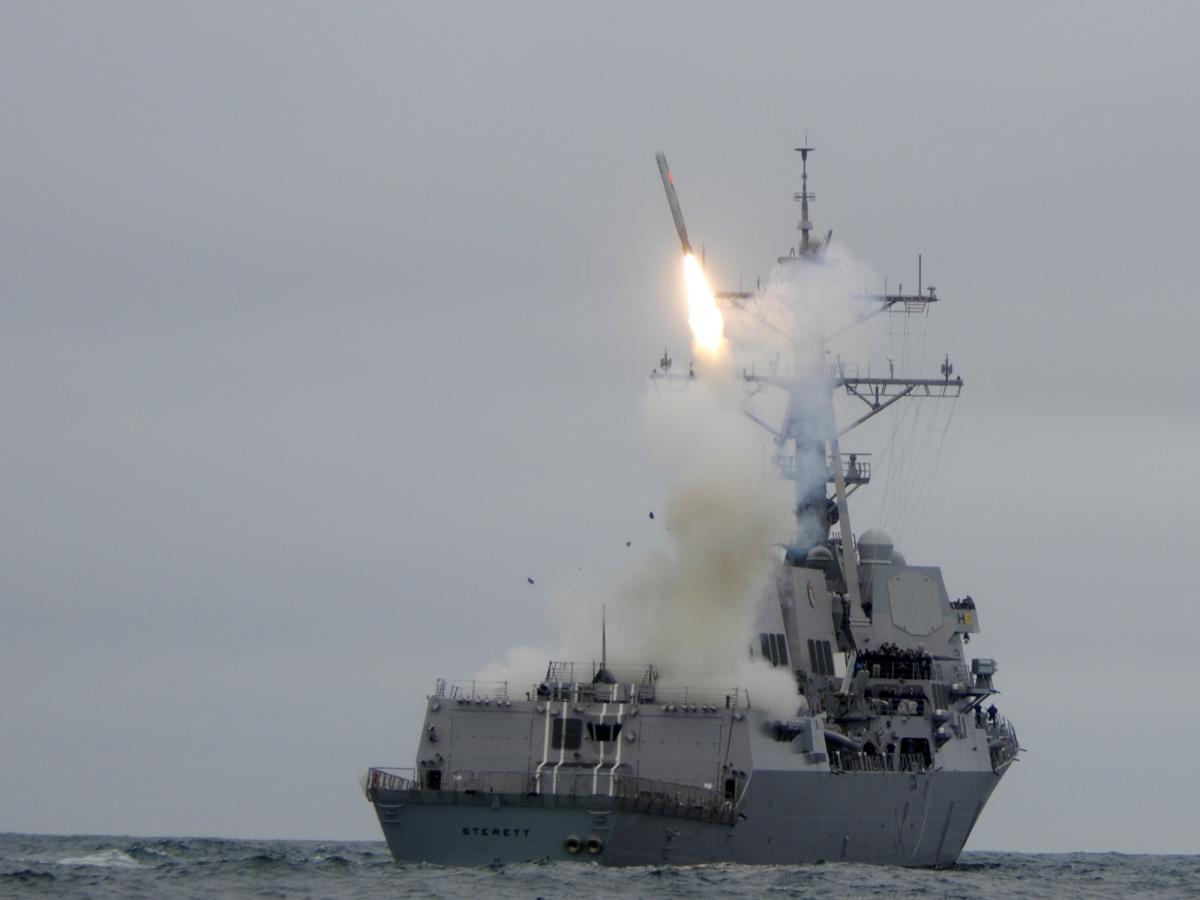
In the complex tapestry of international military aid, every statement from a global leader carries significant weight. Recently, the discourse around supplying Ukraine with advanced weaponry has taken another interesting turn, specifically concerning the potent Tomahawk missile. As Kyiv continues its valiant defense, the question of what sophisticated armaments it will receive, and from whom, remains a critical point of global observation.
President Donald Trump recently addressed speculation head-on, stating he is "not really" considering the transfer of Tomahawk missiles to Ukraine at this juncture. His remark, made in response to media queries, adds a layer of cautious ambiguity to the ongoing debate about military provisions. While leaving the door open for future reconsideration with a casual "but not at this moment," the immediate message is clear: a direct U.S. supply of Tomahawks under his watch is not imminent.
This pronouncement undoubtedly sends ripples across both sides of the conflict. For Ukraine, it might signify a pause in hopes for a specific, powerful capability. For allies, it underscores the need for careful coordination and potentially alternative strategies. Such statements, even with their inherent fluidity, shape expectations and influence tactical planning in a theater where every military advantage counts.
A Glimpse into Pentagon's Thinking
Interestingly, the President's public stance comes shortly after reports, notably from CNN, suggested a different internal assessment. According to these reports, the Pentagon had reportedly approved the delivery of long-range Tomahawk missiles to Kyiv, after determining such a move would not adversely impact U.S. military stockpiles. This detail reveals a preparedness and logistical feasibility that contrasts with the presidential hesitation.
The Pentagon's alleged approval highlights a crucial distinction between military assessment and political decision-making. It suggests that from a purely operational and resource-management perspective, the transfer was deemed viable. This internal readiness, even if currently overridden by higher political direction, indicates the potential for a swift change in policy should the strategic calculus shift.
The Indirect Route: A European Bypass?
The conversation doesn't end with a direct U.S. decision. Retired Colonel and military expert Anatoly Matviychuk has raised the intriguing possibility that Western countries might already be facilitating the transfer of Tomahawk missiles to Ukraine through European intermediaries. This scenario paints a picture of intricate geopolitical maneuvering, where the urgency of the conflict may necessitate creative solutions to bypass direct political roadblocks.
Such an indirect supply chain would speak volumes about the collective resolve of certain allied nations to support Ukraine, even in the face of differing opinions from key partners. It could represent a strategic workaround, allowing essential long-range capabilities to reach Kyiv without directly contravening a U.S. presidential decision. The complexities of tracking such transfers, however, would be immense.
The rationale behind an indirect approach could stem from various factors: the desire to maintain deniability, to avoid escalating direct confrontations, or simply to ensure Ukraine receives critical aid without delay. It also underscores the fragmented yet interconnected nature of international alliances, where shared goals often navigate divergent political pathways.
The Strategic Value of Tomahawks
Tomahawk missiles are renowned for their long range, precision, and ability to strike deeply embedded targets. Their deployment would provide Ukraine with a significantly enhanced capability for strategic strikes, potentially altering the dynamics of the conflict by threatening critical infrastructure far behind enemy lines. This could force a recalculation of defensive postures and logistics for occupying forces.
Acquiring such advanced weaponry would not only be a military boon but also a powerful symbol of international commitment to Ukraine's sovereignty. It would offer a psychological advantage, demonstrating continued support and a willingness to provide the tools necessary for an effective defense against aggression.
Broader Geopolitical Implications
The back-and-forth surrounding Tomahawk missiles for Ukraine is more than just a debate about military hardware; it's a barometer of Western unity and strategic intent. The signals sent to Russia, the solidarity (or perceived cracks) among NATO allies, and the ongoing dialogue about the optimal level of military support all contribute to a complex geopolitical tapestry. Each decision, or non-decision, ripples across global diplomatic and security landscapes.
Ultimately, the discussion around Tomahawk missiles for Ukraine reflects the enduring tension between immediate tactical needs and long-term strategic considerations. While President Trump's current stance offers a clear, albeit provisional, direction, the broader international effort to arm Ukraine remains dynamic, multifaceted, and subject to constant evolution. The path to ensuring Kyiv has the tools for victory is clearly paved with both political calculation and the unwavering spirit of international partnership.
References & External Links
- CNN: Pentagon Reportedly Approves Tomahawk Missile Transfer to Ukraine
- POLITICO: The Long-Range Missile Debate in Ukraine Aid
- Defense News: Analyzing the Impact of Advanced Missiles on Ukraine's Frontlines
