
Power, Progress, and Pennies: Unpacking the Billionaire Backlash to Zohran Mamdani's NYC Mayoral Bid
Power, Progress, and Pennies: Unpacking the Billionaire Backlash to Zohran Mamdani's NYC Mayoral Bid
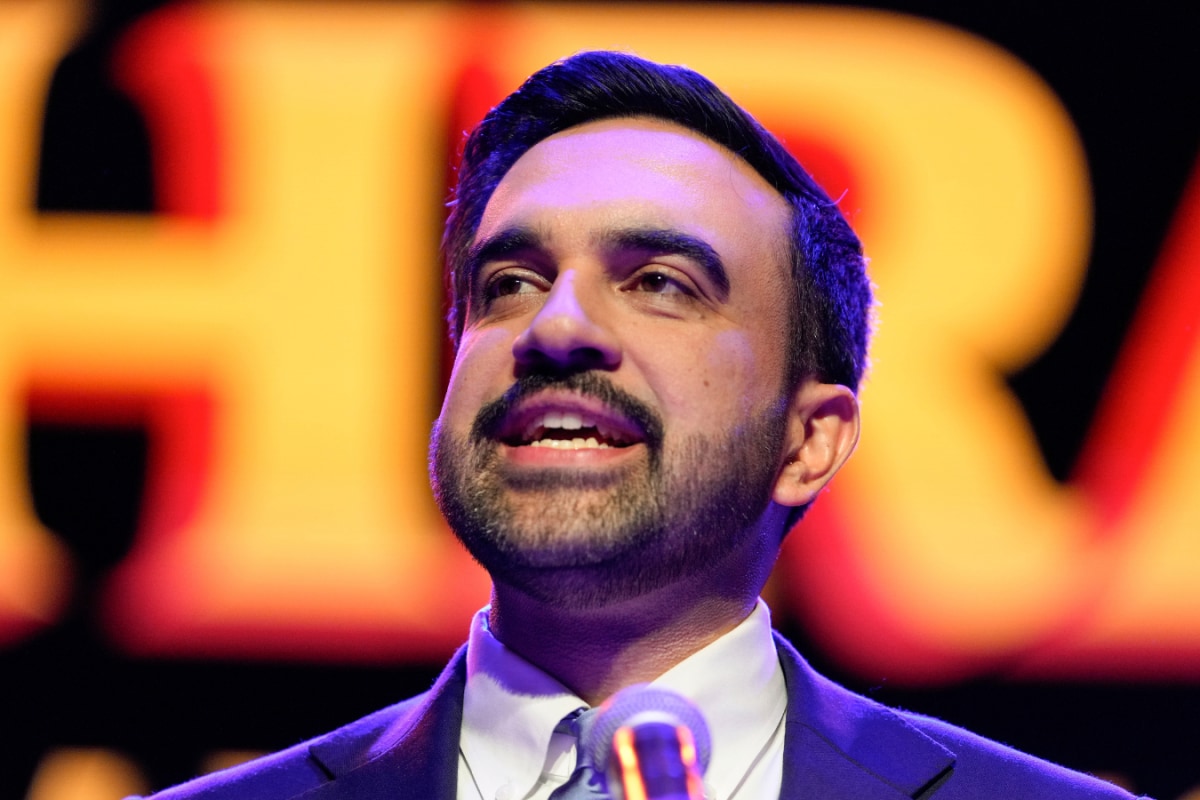
New York City, a global epicenter of finance and culture, often finds itself at the forefront of political and ideological clashes. The city’s vibrant, complex political landscape recently saw a significant contest that highlighted the deep divisions between established power structures and burgeoning progressive movements. This particular narrative underscores a perennial tension: the influence of immense wealth in shaping democratic outcomes.
At the heart of this unfolding drama was Zohran Mamdani, a figure who quickly rose to prominence as a voice for the city's working class and marginalized communities. A young Democratic Socialist, Mamdani's platform was characterized by bold, unapologetic stances on issues like housing affordability, public transit, and economic justice, positions that resonated deeply with a segment of the city's diverse electorate eager for systemic change.
His outspoken opposition to "big capital interests" wasn't merely rhetorical; it manifested in policy proposals designed to rebalance the economic scales. From advocating for higher taxes on the wealthy to strengthening tenant protections and increasing public control over essential services, Mamdani's vision posed a direct challenge to the very foundations of the city's traditional economic power brokers.
Unsurprisingly, such a potent threat to the status quo elicited a forceful reaction. Reports surfaced indicating that a cohort of New York's wealthiest individuals perceived Mamdani's left-leaning agenda as an existential threat to their financial interests and the prevailing economic order. This perceived "fear" wasn't just about losing a tax break; it was about a fundamental shift in the city's governance philosophy.
The mechanism of their opposition was clear: the deployment of significant financial resources. While the exact figures might remain shrouded in the opaque world of political donations and PAC expenditures, the collective "fortune" spent aimed to diminish Mamdani's viability. This could involve funding opposing candidates, launching negative ad campaigns, or even subtly influencing media narratives to paint his proposals as radical or impractical.
This isn't an isolated incident, but rather a recurring theme in American politics where financial muscle often seeks to dictate the direction of public discourse and policy. The influence of large donors and well-funded interest groups can create an uneven playing field, making it incredibly challenging for grassroots campaigns, even those with widespread public support, to compete effectively.
Such interventions raise crucial questions about the health of our democratic processes. When billions are mobilized to counter a political candidate primarily because of their stance on economic redistribution, it begs the question of whether the electoral process truly reflects the will of the majority or is unduly swayed by those with the deepest pockets. The integrity of democratic choice hangs in the balance.
Yet, the rise of figures like Mamdani also signals a powerful counter-narrative: the growing momentum of progressive movements that manage to gain traction despite immense financial disparities. Their success often stems from leveraging community organizing, social media, and a passionate volunteer base, proving that money isn't the only currency in politics, though it certainly buys significant leverage.
The long-term implications of this kind of electoral struggle extend beyond a single mayoral race. It reflects a deeper ideological battle unfolding across major urban centers, where the promises of unfettered capitalism are increasingly being questioned by populations grappling with escalating costs of living, housing crises, and widening wealth gaps.
For New York City, a city defined by both its immense wealth and its persistent inequalities, this particular contest serves as a stark reminder of the ongoing struggle for its soul. Will it continue down a path largely shaped by corporate interests and affluent residents, or will it pivot towards a more equitable and inclusive future championed by figures like Mamdani?
The encounter between Zohran Mamdani's progressive platform and the formidable financial might arrayed against him is a modern-day David versus Goliath story, playing out on the grand stage of urban politics. It encapsulates the core tension between democratic ideals and the practical realities of campaign finance in contemporary society.
Ultimately, understanding these dynamics is crucial for any engaged citizen. It compels us to look beyond headlines and official pronouncements, to question who benefits from the current system, and to recognize the powerful forces at play beneath the surface of every election. The future of our cities, and indeed our nations, may well depend on this critical awareness.
References & External Links
- City Politics Today: The Role of Wealth in New York City Elections
- The Progressive Voice: How Grassroots Campaigns Challenge Moneyed Interests
- NYC Economic Review: Opinion on Socialist Policies and Investor Concerns
- Gotham Gazette: Unpacking Campaign Finance in Recent NYC Mayoral Bids
Tags
NYC Politics, Zohran Mamdani, Democratic Socialism, Campaign Finance, Wealth Inequality, Progressive Movement, Mayoral Race, Political Opposition, New York City, Big Capital
