
Streets of Scrutiny: Why Public Spaces Bear the Weight of Reputation
Streets of Scrutiny: Why Public Spaces Bear the Weight of Reputation
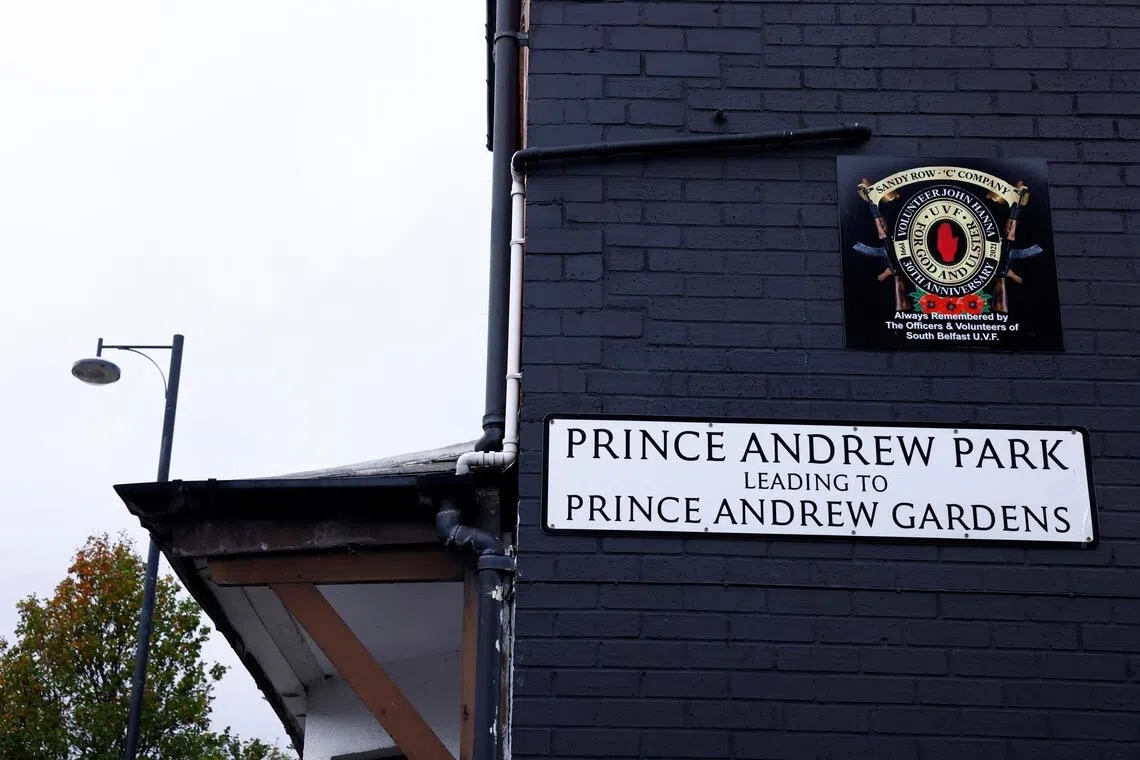
Across the globe, from the historic streets of England and Northern Ireland to the sun-drenched avenues of Australia, a growing chorus of voices is calling for a profound change to the very fabric of their communities. The movement seeks to rename public thoroughfares and spaces currently bearing the name of former Prince Andrew, reflecting a significant shift in public sentiment and a desire to align civic identity with contemporary values.
At the heart of this widespread demand lies the indelible stain of controversy stemming from the former royal's association with the late US sex offender, Jeffrey Epstein. This connection has cast a long shadow, prompting communities to reconsider the appropriateness of honoring individuals whose pasts are now viewed through a lens of profound scrutiny and public concern.
Street names and public monuments are far more than mere navigational markers; they are powerful symbols. They embody the collective memory, celebrate local heroes, and reflect the values a community chooses to uphold. When the figure these names represent becomes deeply contentious, the very meaning of these public spaces comes into question, challenging the unspoken contract between the honoree and the honored.
The debate highlights a critical aspect of public memory: its fluid and evolving nature. What was once deemed a fitting tribute can, with the passage of time and the revelation of new information, transform into a source of discomfort, shame, or even protest. Communities are increasingly asserting their right to redefine what — and whom — they choose to memorialize publicly.
What is particularly striking about this movement is its transnational reach. The fact that residents in disparate geographic locations like England, Northern Ireland, and Australia are expressing similar desires underscores a shared global consciousness regarding ethical leadership and accountability. It suggests that concerns transcend national borders, becoming a matter of universal principle.
This collective outcry demonstrates the formidable power of public opinion in shaping the very landscape of our towns and cities. Citizens, often through petitions and local advocacy, are asserting their collective will, urging local authorities to take action that reflects the moral compass of their constituents, rather than clinging to outdated honors.
For many, the renaming initiative isn't just about erasing a name; it’s about making a clear statement regarding the integrity of public figures and the standards to which they should be held. It's a reaffirmation that public honors should be reserved for those whose actions genuinely contribute positively to society, free from such serious associations.
The moral imperative behind these calls also raises broader questions about how societies deal with complex historical figures. Should the perceived misdeeds of an individual overshadow their other contributions, or should public spaces only be dedicated to those with unimpeachable records? This ongoing dialogue is crucial for societies grappling with their pasts.
While the sentiment for change is clear, the process of renaming public infrastructure is rarely simple. It involves bureaucratic procedures, potential logistical challenges for residents and businesses, and sometimes, debates about historical revisionism versus moral rectitude. Yet, the momentum behind these campaigns indicates a willingness to navigate these complexities.
Historically, communities have, on numerous occasions, chosen to rename places to reflect new political realities, social values, or to correct past injustices. This current movement fits within a long tradition of public spaces evolving alongside societal norms, offering a tangible way for communities to express their identity and principles.
Ultimately, this push for renaming underscores the profound significance of local geography as a mirror to a community's soul. When residents feel that a name no longer represents their aspirations or offends their values, they are empowered to demand that their environment reflects a more appropriate and respectful narrative.
The calls to rename roads linked to Prince Andrew serve as a potent reminder that public honors are a privilege, not an entitlement. They are granted by the people, and when trust is eroded, the people retain the right to reclaim their public spaces and redefine the legacies they choose to uphold for future generations.
References & External Links
- Local Council Forum: Street Naming Policies
- Historical Memorials Institute: Ethics in Public Memory
- Community Voice Initiatives: Petitions for Civic Change
