
The Evolving Landscape of Vaccinations: A Shift in Strategy and Sales
The Evolving Landscape of Vaccinations: A Shift in Strategy and Sales
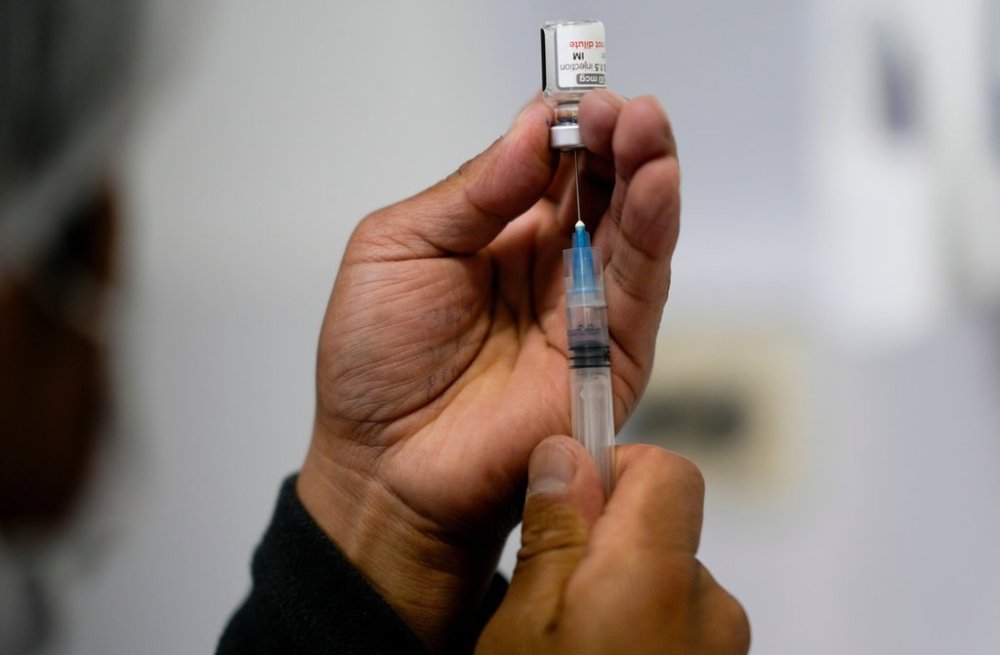
The saga of global public health has seen few chapters as transformative as the COVID-19 pandemic and the rapid development of vaccines. For years, these inoculations were at the forefront of our collective defense, representing a monumental scientific achievement. However, as the world navigates the post-pandemic era, the landscape of vaccination is shifting, reflecting an evolving understanding of the virus and our strategies to manage it.
This shift is now visibly impacting major pharmaceutical companies. Recent reports highlight a notable slowdown for Pfizer, one of the key players in the initial vaccine rollout. Their U.S. sales of the Comirnaty shots have reportedly tumbled by a significant 25% as the fall vaccination season gets underway.
The primary driver behind this downturn isn't a lack of efficacy, but rather a change in federal guidance. Regulators have narrowed recommendations on who should receive the shots, moving away from the broad-based approach of previous years towards a more targeted strategy. This marks a pivotal moment in how public health authorities view and recommend ongoing protection against COVID-19.
For Pfizer, a 25% drop in sales for such a flagship product undoubtedly necessitates a recalibration of financial projections and strategic planning. While their initial contributions to pandemic response were invaluable, the commercial market for vaccines is now maturing and becoming increasingly complex, requiring adaptability from pharmaceutical giants.
What does 'narrowed guidance' truly mean for the average person? Essentially, it signifies a move towards prioritizing specific populations based on risk factors, similar to how annual flu shots are recommended. Instead of a universal call for vaccination, the focus is now on individuals who are elderly, immunocompromised, or have certain underlying health conditions that place them at higher risk of severe outcomes.
From a public health perspective, this evolution is a sign of progress. It suggests that COVID-19 is transitioning from a novel pandemic threat to a more endemic respiratory virus, allowing for a more focused and sustainable long-term management strategy. This allows resources and messaging to be concentrated where they can have the greatest impact.
The Shifting Tides of Public Health Strategy
This strategic shift mirrors a broader trend in disease management, moving from emergency mass intervention to tailored, preventative care. The challenges, however, include effectively communicating these nuanced recommendations to a public that has grown accustomed to simpler, more universal directives during the height of the pandemic.
Healthcare providers now face the crucial task of explaining these refined guidelines to patients, ensuring clarity and addressing any confusion or fatigue associated with evolving health advice. Trust in medical institutions remains paramount, making clear and consistent communication more important than ever.
Beyond the guidance, consumer behavior also plays a role. Vaccine fatigue, coupled with a perceived decrease in the severity of the virus for many, influences uptake rates. People's risk assessments naturally change as the immediate crisis recedes, impacting their willingness to seek out booster shots without a strong, universal recommendation.
Looking ahead, the vaccine market will likely become more competitive, with ongoing research and development focused on next-generation vaccines that target emerging variants or offer broader protection. The industry will need to innovate not just in science, but also in how it addresses public demand and evolving health policies.
Adapting to a New Normal
The journey with COVID-19 vaccines has been extraordinary, showcasing humanity's capacity for scientific innovation under pressure. While the headlines about declining sales might seem like a setback, they are, in many ways, a testament to the success of the initial rollout and the subsequent ability to adapt our public health approach as the virus itself evolves. This ongoing process of learning, adapting, and refining our strategies is fundamental to navigating future health challenges effectively.
Ultimately, this pivot reinforces a critical lesson: public health is a dynamic field, constantly adjusting to new data, scientific understanding, and real-world conditions. It's about resilience, continuous learning, and maintaining a vigilant yet adaptable stance against infectious diseases.
References & External Links
- CDC: Interim Clinical Considerations for Use of COVID-19 Vaccines
- FDA: COVID-19 Vaccines
- WHO: COVID-19 Vaccines and Immunization
