
The Patent Race for Consciousness: Decoding Tomorrow's Mind-Machine Interface
The Patent Race for Consciousness: Decoding Tomorrow's Mind-Machine Interface
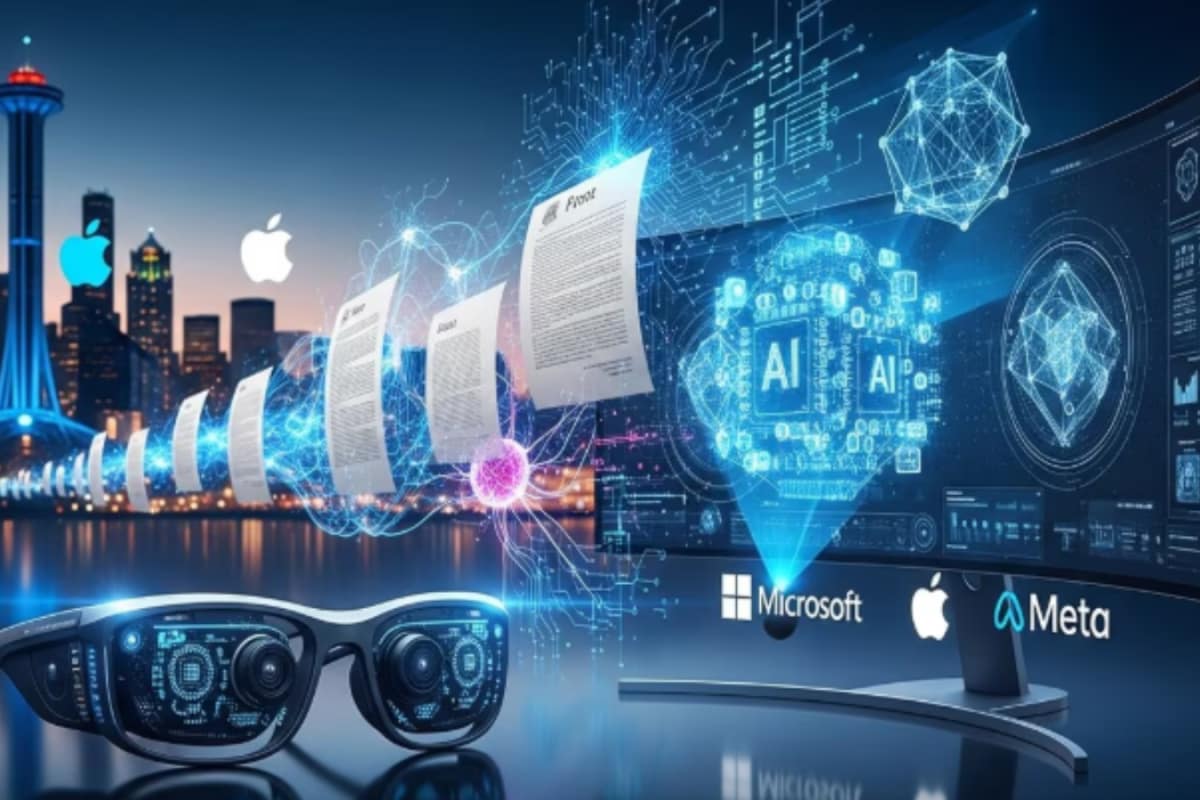
For decades, the concept of technology directly interacting with our thoughts and dreams has been the stuff of science fiction. From telepathy to immersive virtual realities, these ideas have fueled our imaginations. However, recent filings by tech giants like Google, Microsoft, and Meta suggest that this futuristic landscape is rapidly moving from speculation to patentable reality.
We stand at the precipice of a new era, where the boundaries between human cognition and artificial intelligence are set to blur in unprecedented ways. These companies aren't just building faster computers or sleeker phones; they are actively investing in technologies that promise to revolutionize how we perceive, interact with, and even control our digital and physical worlds using nothing more than our minds.
Google's Pursuit of Emotional Understanding
Imagine a world where your devices don't just respond to your voice or touch, but to your very emotional state. Google is reportedly exploring patents that aim to detect emotions through brainwaves, a capability that could profoundly alter personalized computing.
This endeavor moves beyond simple facial recognition, tapping into the more subtle and complex signals emanating from our brains. While the potential for enhanced user experiences – a playlist that matches your mood, an AI assistant offering comfort – is vast, it also raises critical questions about privacy, consent, and the ethical implications of machines interpreting our deepest feelings.
Microsoft's Holoportation: Bridging Physical Gaps
Microsoft’s vision for “Holoportation” promises to transform remote communication from video calls into something far more immersive. Envision lifelike holograms of people, appearing almost as if they are physically present in your room, allowing for truly engaging virtual interactions.
This technology could be a game-changer for everything from business meetings and remote healthcare consultations to connecting families across continents. The emphasis on realism and presence suggests a future where physical distance becomes less of a barrier, fundamentally altering our concepts of presence and shared space.
Meta's Mind-to-Text Revolution
Meanwhile, Meta is delving into the ultimate hands-free interface: turning thoughts directly into text. This ambition, if realized, would bypass keyboards, touchscreens, and voice commands entirely, offering a direct neural pathway for communication and creation.
The implications are staggering for accessibility, enabling individuals with motor impairments to communicate effortlessly. Beyond that, it could redefine productivity, allowing us to compose emails, browse the web, or control devices with the speed of thought. It's a leap towards making technology an extension of our own cognitive processes.
Ethical Crossroads and the Future Landscape
These patents collectively paint a picture of a future where our inner worlds become increasingly accessible and manipulable by technology. While the benefits in terms of communication, accessibility, and human-computer interaction are undeniably exciting, the ethical questions are equally profound.
Who owns our brainwave data? How will these technologies safeguard against misuse, surveillance, or even subconscious manipulation? The societal impact of such direct interfaces with human consciousness demands careful consideration and robust regulatory frameworks even as the technology develops.
As these tech giants race to secure the patents for tomorrow's mind-machine interfaces, we, as a society, must engage in a robust dialogue about the kind of future we want to build. Innovation without ethical foresight risks creating a world where convenience comes at the cost of autonomy and privacy.
References & External Links
- Tech Insight Daily: Google's Brainwave Emotion Detection Patents Unveiled
- Microsoft Research: Holoportation – The Future of Remote Communication
- Future Tech Review: Meta's Quest for Direct Thought-to-Text Interfaces
Tags
Brain-Computer Interface, BCI, Holoportation, Mind-Reading Tech, Dream Control, Metaverse, AI Ethics, Future Tech, Patents, Google, Microsoft, Meta
