
The Unscheduled Layover: How a Government Shutdown Grounds Holiday Hopes
The Unscheduled Layover: How a Government Shutdown Grounds Holiday Hopes
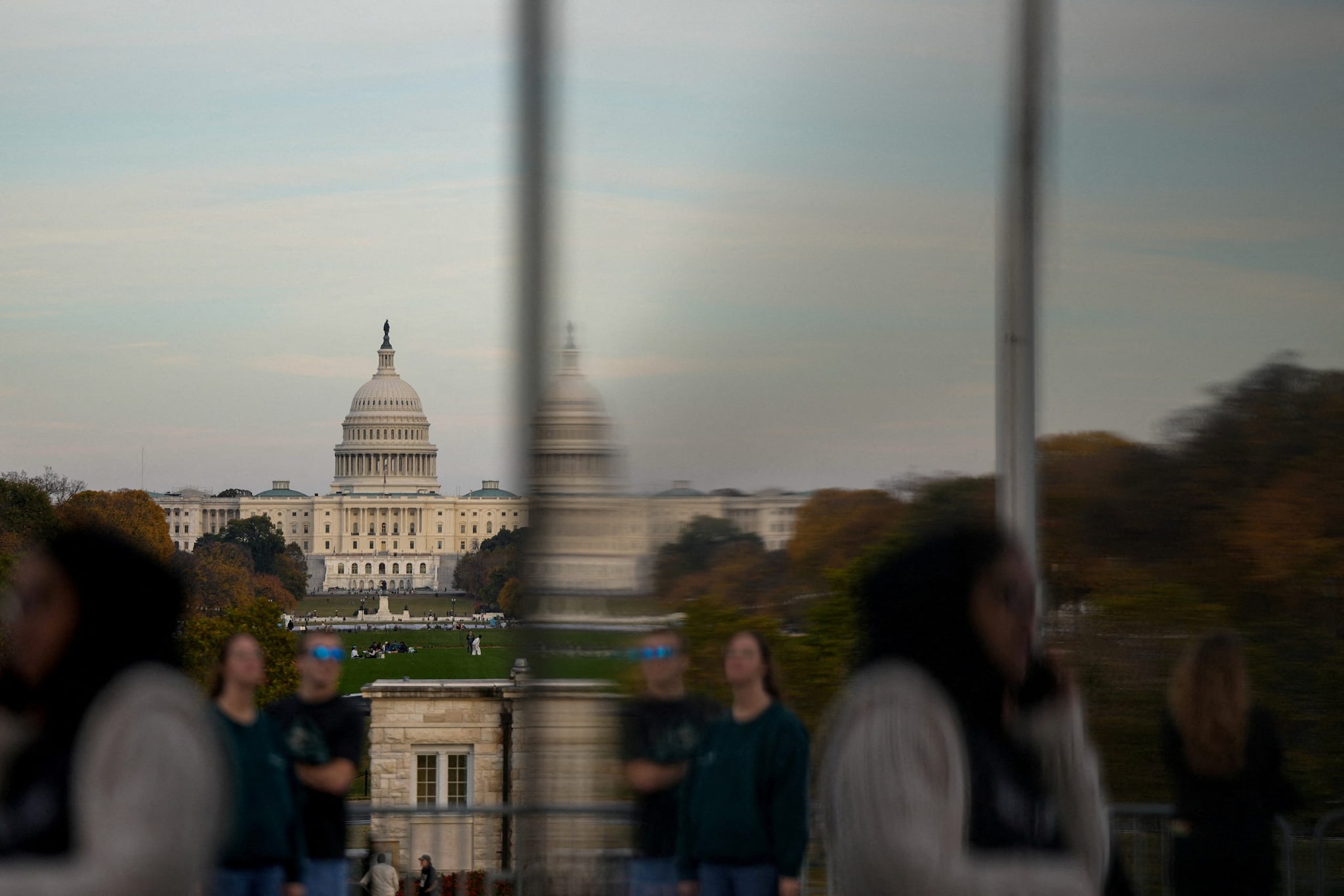
As the aroma of pumpkin spice begins to fill the air and families across the United States eagerly anticipate the warmth of Thanksgiving reunions, an unwelcome chill has settled over air travel. Recent news reveals that hundreds of flights are facing cancellations at US airports, not due to adverse weather or technical glitches, but to the unprecedented ripple effects of a government shutdown. This situation casts a long shadow over holiday plans and the broader economy.
For millions of Americans, the thought of Thanksgiving travel involves meticulously planned itineraries, often booked months in advance. The sudden onslaught of cancellations introduces a whirlwind of anxiety, frustration, and significant logistical challenges. Travelers are left scrambling to find alternative routes, often at exorbitant last-minute prices, or facing the heartbreaking reality of missed family gatherings.
The Mechanics of Disruption: Why a Shutdown Grounds Flights
The core of this widespread disruption lies in the intricate network of federal services essential for safe and efficient air travel. While air traffic controllers are deemed essential personnel, many are working without pay, potentially leading to increased fatigue and a higher risk of staffing shortages as stress mounts. Similarly, TSA agents and aviation safety inspectors, crucial for maintaining security and operational standards, face similar financial pressures, impacting morale and the overall system’s resilience.
This isn't merely an inconvenience; it's a systemic vulnerability exposed. When funding for federal agencies is stalled, even critical functions can suffer from a lack of support staff, delayed maintenance, or a general slowdown in administrative processes that keep the vast air travel ecosystem running smoothly. The domino effect is swift and severe, extending far beyond the tarmac.
Economic and Social Aftershocks
The impact extends well beyond individual travelers. Airlines face immense financial pressure from lost revenue, rebooking costs, and the strain on their operational teams. The tourism industry, heavily reliant on a smooth flow of visitors, braces for a significant downturn during what should be one of its busiest periods. Hotels, restaurants, and local businesses that thrive on holiday travel will feel the pinch almost immediately.
Furthermore, the shutdown's effect on shipping and logistics cannot be understated. With holiday shopping already in full swing, disruptions in air cargo services could lead to delays in deliveries, impacting retailers and consumers alike. This creates a cascade of economic consequences, reminding us how deeply interconnected our modern economy is with reliable infrastructure and stable governance.
The timing, just weeks before Thanksgiving, amplifies the emotional toll. This holiday, perhaps more than any other, is about connection, tradition, and shared moments. To have these plans jeopardized by political impasse feels particularly cruel, highlighting the tangible human cost of governmental gridlock. Families separated by distance are finding their cherished annual reunions suddenly in peril.
Navigating the Uncertainty: Advice for Travelers
For those still hoping to travel, vigilance is key. Regularly check airline apps and websites for the latest updates on your specific flight. Consider travel insurance that covers government shutdowns, though many policies have specific clauses to review. Exploring alternative transportation methods, like trains or buses, might be a viable, albeit longer, option for shorter distances.
Beyond the immediate crisis, this situation serves as a stark reminder of the fragility of essential public services when political agreement falters. It underscores the critical need for reliable, long-term funding solutions that insulate vital operations, such as air traffic control and airport security, from the cyclical uncertainties of legislative debates. The trust placed in government to ensure basic functions is eroded with each disruption.
The broader implication is a call for greater accountability and foresight in governance. Air travel isn't a luxury; for many, it's a necessity for work, family, and health. When these essential services become collateral damage in political disputes, it signals a deeper issue about prioritization and the impact of political decisions on everyday lives.
Ultimately, while the immediate focus is on managing the current chaos, the episode demands a broader reflection on how a nation can ensure its vital infrastructure remains resilient against political turbulence. As we approach a season of gratitude, many will be grappling with the unexpected burden of travel uncertainty, a poignant reminder of the unseen forces that shape our journeys.
Let's hope for a swift resolution that brings stability back to our skies and allows families to gather without undue stress, reaffirming the importance of functioning governance for the well-being of all citizens.
References & External Links
- CNN Travel: How a Government Shutdown Affects Your Flight
- The New York Times: What a Government Shutdown Means for Daily Life
- Traveler.com: Navigating Travel Insurance During a Shutdown
Tags
US travel, flight cancellations, government shutdown, Thanksgiving travel, airline industry, economic impact, holiday disruption, political gridlock, airport delays, federal services
