
Unlocking Access: A Closer Look at the Deal to Lower Weight Loss Drug Costs
Unlocking Access: A Closer Look at the Deal to Lower Weight Loss Drug Costs
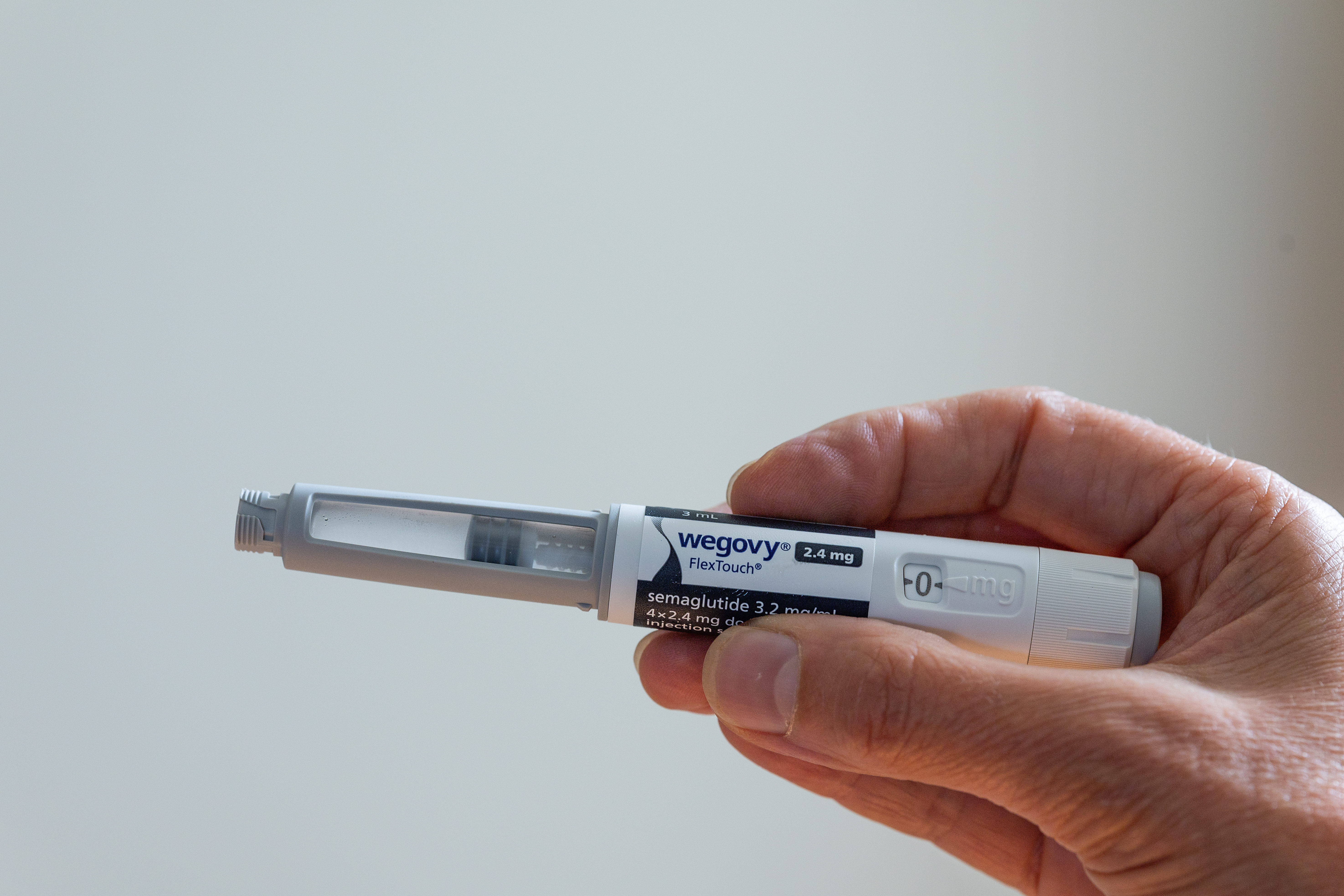
The landscape of health and wellness has been dramatically reshaped by a new class of medications, particularly GLP-1 drugs for weight management. These breakthrough treatments offer life-changing potential, yet their prohibitive cost has long kept them out of reach for millions battling obesity and related health conditions, creating a significant barrier to improved public health.
In a significant development, the Trump administration recently announced a landmark agreement with pharmaceutical giants Novo Nordisk and Eli Lilly, aiming to substantially reduce the monthly out-of-pocket expenses for their highly sought-after weight loss medications, Wegovy and Zepbound. This move signals a direct effort to address the financial barrier that has complicated access to these vital drugs.
The Deal Unpacked: Targeting Affordability
Under the proposed deal, the target out-of-pocket costs for these powerful GLP-1 agonists could fall into a much more accessible range, potentially between $50 and $350 per month, depending on factors like dosage and individual insurance plans. This is a dramatic shift from their current list prices, which often exceed $1,000 monthly, presenting a formidable financial hurdle for many patients and healthcare systems alike.
While some lower-cost cash options have emerged through direct company programs and retailers like Costco and Walmart, this new administration-backed initiative aims for a more standardized reduction. Furthermore, the agreement encompasses a broader reduction in prices paid by the government for all approved GLP-1 drugs used in diabetes and other indications, setting a rate of $245 per month for non-starting doses, with Medicare copays capped at a maximum of $50.
Navigating Access and Coverage Nuances
A key component of this strategy involves the TrumpRx discount platform, where average monthly costs for Wegovy and Zepbound are projected to start at $350 and decrease to $250 within two years. For Medicare and Medicaid recipients, the administration has declared intentions for expanded coverage, promising that these programs “will finally cover the cost of the weight loss drugs for millions of patients suffering from obesity,” a crucial point given current restrictions on Medicare covering drugs solely for weight loss.
However, the path to universal access remains complex. While Medicare currently covers GLP-1 drugs for specific conditions like diabetes, heart disease risk, or sleep apnea, the explicit coverage for weight loss alone has been a major legislative hurdle. The timing of this broader Medicare coverage, anticipated by mid-next year, will need careful navigation, especially considering already established 2026 premium structures and benefit design.
Beyond the Headline: Expert Perspectives and Implementation Hurdles
Health policy experts, like Stacie Dusetzina from Vanderbilt University, have voiced important questions regarding the practical implementation and the true breadth of this deal. The challenge lies in harmonizing these new price points and coverage mandates with existing Medicare frameworks and determining how many of the millions struggling with obesity will genuinely benefit without facing prohibitive costs, even at the reduced rates.
Indeed, while a reduction to $250-$350 is significant, it still represents a substantial monthly expenditure for many households, highlighting the ongoing tension between drug innovation, affordability, and equitable access. This reinforces the idea that true affordability is relative and deeply personal, emphasizing that even reduced costs can remain a barrier for those on tighter budgets.
A Broader Context: Drug Pricing Debates and Future Horizons
This initiative is framed within President Trump's “most favored nation” drive, a renewed effort to align US prescription drug prices more closely with those in other developed nations. It represents a different approach to drug cost reduction compared to the formal Medicare price negotiations established under the Inflation Reduction Act, suggesting a preference for voluntary agreements and executive actions over statutory negotiation processes.
Looking ahead, the deal also hints at the potential for future innovations, specifically GLP-1 pills, with a target price of $149. While no such oral weight loss medication is currently approved, companies like Lilly are actively pursuing development, underscoring the dynamic nature of pharmaceutical research and the continuous quest for more convenient and potentially more affordable treatment options.
Conclusion: A Step Towards Greater Access
Ultimately, this agreement, alongside similar ones for other medications, marks a notable moment in the ongoing national conversation about healthcare costs. It reflects a clear political will to tackle the financial burden of essential medications, particularly those addressing widespread public health challenges like obesity, which affects a significant portion of the population.
Yet, as with any major policy shift, the true measure of its success will lie in its execution and the tangible impact on patients' lives. The promise of expanded access is a powerful one, but the journey towards genuinely affordable and universally accessible weight loss care remains a complex and evolving endeavor, requiring careful oversight and continued commitment from all stakeholders.
References & External Links
- U.S. Department of Health and Human Services – Prescription Drug Pricing Initiatives
- Centers for Medicare & Medicaid Services – Part D Drug Pricing
- Pharmaceutical Research and Manufacturers of America (PhRMA) – Industry Statements
Tags
Weight Loss Drugs, GLP-1, Wegovy, Zepbound, Drug Prices, Healthcare Policy, Trump Administration, Medicare, Medicaid, Affordable Healthcare, Pharmaceutical Deals, Obesity Treatment
