
Wheels and Woes: How Vehicle Imports Are Challenging Sri Lanka's Economic Recovery
Wheels and Woes: How Vehicle Imports Are Challenging Sri Lanka's Economic Recovery
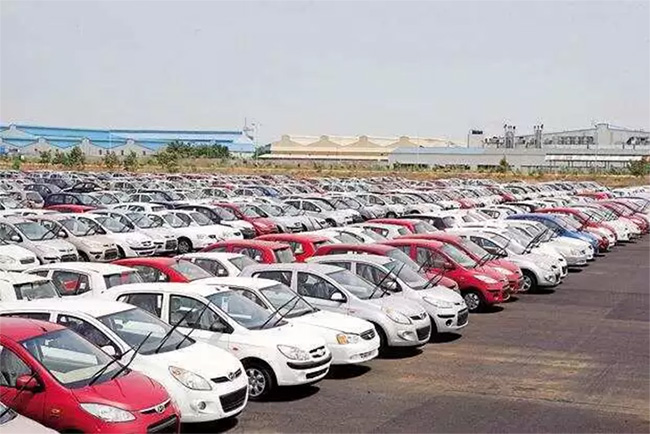
Sri Lanka stands at a critical juncture, navigating the delicate balance between economic recovery and the pressing demands of its populace. Recent reports highlighting a surge in vehicle imports, while seemingly a sign of normalcy returning, are concurrently casting a shadow over the nation's painstakingly rebuilt dollar reserves. This situation presents a complex dilemma, forcing a re-evaluation of policy choices and economic priorities as the country endeavors to secure a stable financial future.
A Familiar Economic Landscape
For many Sri Lankans, the recent past has been defined by unprecedented economic turmoil, marked by acute shortages of essential goods, rampant inflation, and a severe foreign exchange crisis. The nation has embarked on a challenging path of recovery, with stringent fiscal measures and international support aimed at rebuilding its dollar reserves – the lifeblood for importing fuel, medicine, and food. Any significant drain on these reserves is therefore not merely an economic statistic but a direct threat to the everyday lives of its citizens.
The Lure of the Open Road
Following a period of severe import restrictions, the pent-up demand for vehicles has become palpable. For years, the ability to purchase a new car was largely out of reach, creating a significant market vacuum. The recent easing of these bans, driven by a hopeful outlook on economic stabilization, has unleashed a torrent of orders, reflecting a natural human desire for personal mobility, convenience, and perhaps a symbol of returning prosperity.
Individuals and businesses alike are now eager to upgrade or acquire new modes of transport, viewing it as both a necessity and an investment. This immediate rush is understandable from a consumer perspective, signaling a return to pre-crisis aspirations. However, the cumulative effect of thousands of such individual decisions quickly translates into a substantial national outflow of precious foreign currency, placing immense pressure on the very reserves intended to underpin stability.
The Cost Beyond the Showroom
The Direct Drain on Dollar Reserves
Every imported vehicle represents an expenditure in foreign currency – be it US dollars, Euros, or Yen – that exits the Sri Lankan economy. When imports surge, these dollars bypass essential sectors, instead funding personal luxuries or business expansions that, while individually justifiable, collectively deplete the national pool. This direct drain compromises the nation's capacity to pay for critical imports, potentially re-igniting the very shortages that plunged the country into crisis just a few years ago.
Furthermore, a depleted reserve base can weaken the national currency, leading to depreciation against major international currencies. This, in turn, makes all imports more expensive, fueling inflation and eroding purchasing power for the average citizen. It creates a ripple effect, where the seemingly innocuous act of importing a car contributes to broader macroeconomic instability, impacting everything from food prices to the cost of healthcare.
Navigating Policy Crosscurrents
The government faces an unenviable task: satisfying public demand and fostering an environment of economic freedom, while simultaneously safeguarding the fragile gains made in rebuilding fiscal stability. Lifting import bans was intended to signal confidence and stimulate economic activity, but the current surge suggests the timing or methodology might need reconsideration to avoid unintended consequences for foreign exchange management.
Learning from past policies, striking a balance requires careful calibration. Perhaps a phased approach to import liberalization, coupled with higher duties on non-essential items, could serve as a more sustainable pathway. The challenge lies in managing expectations and implementing measures that are both economically sound and politically palatable, without resorting to the blunt instrument of outright bans which can stifle growth and create black markets.
Towards Sustainable Wheels
Rethinking Import Strategies
A more sustainable long-term strategy might involve prioritizing certain types of imports, such as electric vehicles, through preferential duties, thereby aligning economic policy with environmental goals. Simultaneously, investments in improving public transport infrastructure could reduce the overall reliance on private vehicle ownership, diminishing the demand for imports and easing pressure on reserves. Incentivizing domestic assembly or manufacturing could also offer a localized solution.
Ultimately, Sri Lanka's long-term economic resilience depends on its ability to generate consistent dollar inflows through diversified exports, tourism, and foreign direct investment. Until these streams are robust and reliable, every decision that leads to a significant dollar outflow must be meticulously scrutinized. A strategic vision for import management is crucial, one that supports growth without undermining the very foundations of recovery.
A Balanced Drive Ahead
The current surge in vehicle imports serves as a potent reminder that economic recovery is not a linear process, nor is it devoid of hard choices. While the ability to import a vehicle may signal a perceived return to normalcy, the aggregate impact on Sri Lanka’s dollar reserves demands immediate and thoughtful attention from policymakers. It underscores the ongoing need for prudent fiscal management and a collective understanding of national economic vulnerabilities.
The road ahead for Sri Lanka is undoubtedly paved with complex economic decisions. Ensuring that the pursuit of individual convenience does not inadvertently derail the nation's broader path to stability requires strategic foresight, robust policy frameworks, and an unwavering commitment to sustainable growth. Every dollar conserved today contributes to a more secure and prosperous tomorrow for all.
References & External Links
- Central Bank of Sri Lanka - Latest Economic Indicators
- International Monetary Fund - Sri Lanka Country Page
- Ada Derana - Sri Lanka's foreign exchange situation (Plausible News Link)
- Daily Mirror - Govt to lift vehicle import ban next year (Plausible News Link related to policy)
Tags
Sri Lanka Economy, Vehicle Imports, Dollar Reserves, Economic Recovery, Foreign Exchange, Fiscal Policy, Import Bans, Consumer Demand, Macroeconomics, Sri Lanka News
