
When the Skies Weep: Central Philippines Grapples with Typhoon Kalmaegi's Fury
When the Skies Weep: Central Philippines Grapples with Typhoon Kalmaegi's Fury
Introduction: A Nation Under Siege
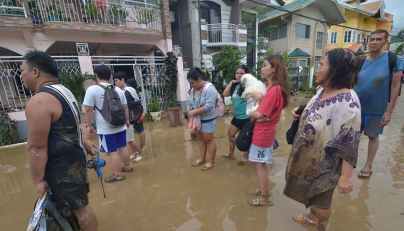
The resilient spirit of the Central Philippines is once again being tested, as Typhoon Kalmaegi unleashed its devastating power, leaving a trail of destruction, sorrow, and urgent humanitarian need. The recent deluge, driven by the typhoon's relentless rains, has plunged swathes of the region, including parts of Cebu, into a catastrophic state of flooding, dramatically altering landscapes and lives in a matter of hours.
Initial reports paint a grim picture, with at least 26 precious lives tragically lost and hundreds of thousands of individuals forcibly displaced from their homes. These aren't just statistics; they represent families torn apart, communities submerged, and dreams washed away by the sheer force of nature. The immediate aftermath is a harrowing scene of survival and struggle against insurmountable odds.
The Immediate Aftermath: A Landscape of Loss
Lives Disrupted and the Quest for Safety
The widespread flooding has left countless individuals stranded, marooned on rooftops or isolated patches of dry land, desperately awaiting rescue. Roads have become rivers, cutting off vital access for emergency services and making relief efforts incredibly challenging. The stories emerging from the affected areas are heart-wrenching, detailing last-minute escapes and the profound grief of those who lost loved ones.
The Philippines, an archipelago nation, frequently finds itself in the path of powerful tropical cyclones, a stark reminder of its geographic vulnerability. While preparedness measures are often in place, the sheer intensity and scale of events like Typhoon Kalmaegi can overwhelm even the most robust systems, exposing the perpetual battle between humanity and the elements.
Infrastructure and Livelihoods Undone
Beyond the immediate human toll, the typhoon has inflicted severe damage on critical infrastructure, including homes, bridges, and communication networks. Agricultural lands, the backbone of many local economies, are submerged, threatening long-term food security and the livelihoods of thousands of farming and fishing communities. The economic repercussions will undoubtedly be felt for months, if not years, to come.
The Road to Recovery: Resilience and Rebuilding
Humanitarian Response and Sustained Support
In the wake of the disaster, a concerted humanitarian effort is underway, with government agencies, local volunteers, and international aid organizations mobilizing to provide essential relief. Food, water, medical supplies, and temporary shelter are urgently needed for the hundreds of thousands seeking refuge in evacuation centers. The coordination of these efforts is paramount to saving lives and alleviating immediate suffering.
The transition from emergency response to long-term recovery will be arduous and complex. Rebuilding homes, schools, and essential services requires substantial resources and a sustained commitment. It’s a process that demands not just physical reconstruction but also emotional healing and support for communities traumatized by loss.
Building Back Stronger, Together
Despite the recurrent challenges, the Filipino people consistently demonstrate remarkable resilience and community spirit. In times of crisis, neighbors help neighbors, and collective action often emerges as the strongest force for recovery. This inherent strength will be crucial in overcoming the current devastation and forging a path toward a more secure future.
A Global Perspective: Climate Change and Preparedness
The increasing frequency and intensity of typhoons like Kalmaegi serve as a stark global reminder of the escalating impacts of climate change. For countries like the Philippines, which are on the front lines of this global crisis, adaptation and mitigation strategies are no longer optional but a matter of survival. International cooperation in addressing climate change is vital for safeguarding vulnerable populations worldwide.
Furthermore, enhancing disaster preparedness, including robust early warning systems, resilient infrastructure, and comprehensive community evacuation plans, remains critical. Investing in these areas can significantly reduce casualties and mitigate the economic impact of future events, offering a lifeline to those living in harm's way.
As the Central Philippines begins the monumental task of recovering from Typhoon Kalmaegi's wrath, international solidarity and continued support will be indispensable. Every donation, every volunteer effort, and every act of compassion contributes to rebuilding lives and restoring hope in the affected regions. Their journey towards healing is our shared responsibility.
Conclusion: Hope Amidst the Storm
The scars left by Typhoon Kalmaegi will undoubtedly run deep, both on the land and in the hearts of those affected. Yet, history has shown that the people of the Philippines possess an unbreakable spirit. While the challenges ahead are immense, the unwavering resolve to rebuild, adapt, and emerge stronger will ultimately define their recovery story. Our thoughts remain with all those impacted by this profound tragedy.
References & External Links
- National Disaster Risk Reduction and Management Council (NDRRMC)
- The Philippine Star
- GMA News Online
- ReliefWeb
Tags
Typhoon Kalmaegi, Philippines Flooding, Central Philippines, Disaster Relief, Humanitarian Crisis, Climate Change, Cebu, Natural Disaster, Emergency Response, Philippine Resilience
