
Why We Are All Connected: The Power of Global Citizenship
Why We Are All Connected: The Power of Global Citizenship
Introduction
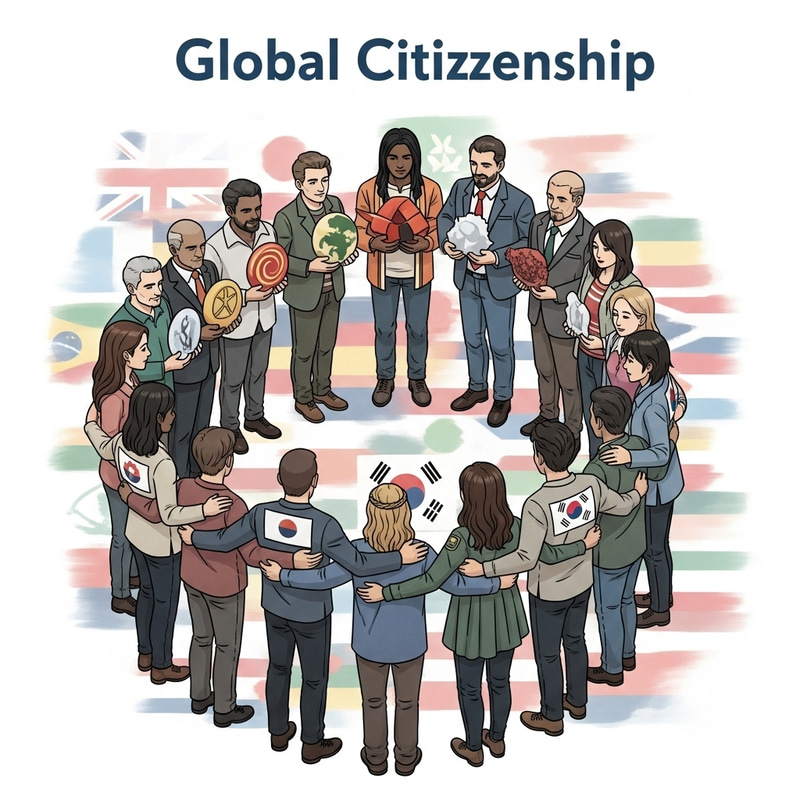
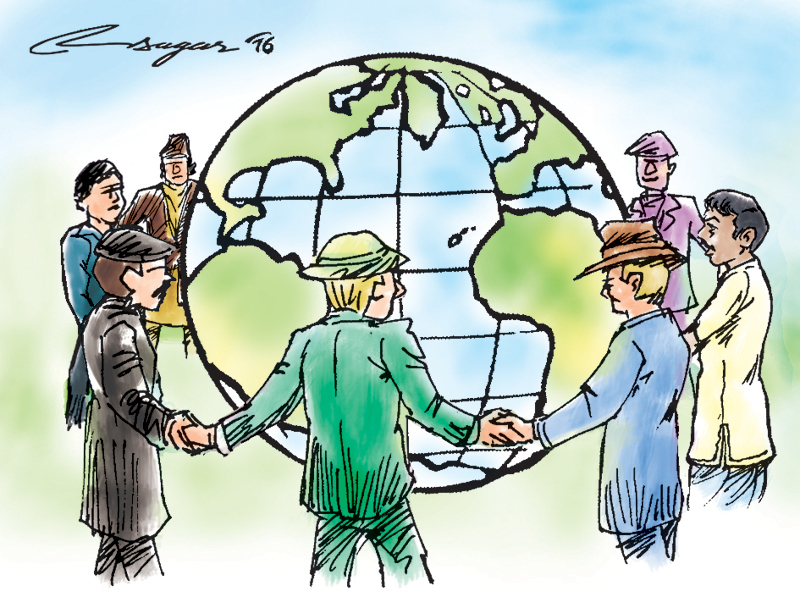
In a world where airplanes, smartphones, and instant video can connect us across continents in seconds, the concept of being just a citizen of one nation feels increasingly narrow. More and more people are asking: What does it mean to be a citizen of Planet Earth?
This article explores the idea of global citizenship — our rights and responsibilities as members of a larger human community — why it matters more now than ever, and how it influences our future.
1. What Is Global Citizenship?
At its core, global citizenship means recognising that our identity and responsibilities extend beyond our local or national borders. According to Global Citizenship Studies:
- We view ourselves not only as citizens of a country, but as part of the human family.
- We accept responsibilities — for example: the wellbeing of others, the health of the planet, fairness across societies.
- We recognise that global issues (climate change, pandemics, migration, inequality) affect everyone, so our solutions need to go beyond borders.
2. Why It Matters Now
Several major trends show that global citizenship is not just a “nice idea” — it’s becoming a necessity:
A. Global challenges cross borders
Whether it's climate change, digital surveillance, pandemics or economic interdependence, no country solves its problems in isolation. For example, shifting migration patterns and rising inequalities demand collective responses. (World Migration Report)
B. People migrate, connect, and live multi-locational lives
Technology & mobility mean more people work, live or have family across countries. The old model (“one nationality, one home”) is less universal.
C. Ethical and cultural awareness grows
Topics like human rights, global justice, shared heritage are surfacing in more places—people ask “How does my life affect someone in another country?” The idea of “just my country” is shifting.
3. The Rights & Responsibilities of Being a Global Citizen
Rights
- Access to information, technology and global networks.
- The right to connection: to people, cultures, knowledge beyond borders.
- Shared human rights: freedom, dignity, opportunity — not just local norms.
Responsibilities
- Awareness: Recognising how my actions affect others (e.g., consumption, waste, voting, activism).
- Solidarity: Standing with people suffering elsewhere — not just “our side”.
- Sustainability: Respecting the planet that supports all human life, not just one region.
- Participation: Engaging (locally or globally) for collective betterment — whether through activism, innovation, volunteering.
4. Real-World Examples of Global Citizenship in Action
- Voluntary migration & remittances: People moving to other countries send money, culture, ideas back — showing transnational connections.
- Climate refugee assistance: When floods or droughts hit one region, global citizens respond with aid and advocacy.
- Cross-border digital activism: Social media campaigns spreading awareness of injustices anywhere in the world — people mobilise across continents.
- Education and global exchange programmes: Universities, NGOs fostering students, professionals from many nations to work together.
5. Challenges & Objections
- National identity tensions: Some feel global citizenship weakens attachment to one’s country or culture.
- Economic inequalities: Global citizenship risks being a privilege of those with access; poorer nations may still be excluded.
- Accountability: What global institutions enforce rights and responsibilities? Without structure, the idea can stay vague.
- Overload and apathy: When everything is global, some people feel powerless and disengage rather than act.
6. Why You Should Care
Whether you live in Malmö, Riyadh, Nairobi, or São Paulo:
- Your lifestyle choices ripple globally — your consumption, travel, digital presence matter.
- Your future may involve multiple countries (work remote, move, second home).
- You might be impacted by global forces you didn’t choose (climate, migration, disease), so understanding them helps you adapt.
- Being part of a connected world gives you opportunity — to learn, innovate, collaborate with people you’d never meet otherwise.
7. How to Act as a Global Citizen
- Learn: Read about global issues (migration, climate, inequality). Expand your worldview.
- Connect: Interact with people from different cultures; allow their stories to shape you.
- Choose: Consume responsibly — think global impact (product origin, environment, labour rights).
- Participate: Donate, volunteer, support policies that go beyond nationalism and support human wellbeing worldwide.
- Reflect: Ask yourself periodically — “How could my actions affect someone on another continent?”
Conclusion
In a time when the boundaries between nations blur — digitally, economically, environmentally — the idea of just being a citizen of your country is no longer enough. We’re citizens of Earth. When we embrace that, we unlock the strength to shape a future where the human story is collective, compassionate, and forward-looking. Global citizenship isn’t about erasing identity; it’s about expanding identity — from local to universal.
References & Links
- World Happiness Report
- Global issues 2025 – Statista
- Global citizenship – Wikipedia
- Global migration issues – Wikipedia
Tags
global citizenship, human rights, global community, world issues 2025, migration, sustainability, interconnected world, human identity
