
Why Our Brains Are Wired for Addiction
Why Our Brains Are Wired for Addiction: The Hidden Science Behind Compulsions
1. A Survival System Gone Awry

Where does addiction come from? According to Stanford Medicine, it all begins with the ancient wiring of the human brain — a reward-seeking system that helped our ancestors survive by motivating them toward food, shelter, and reproduction. In modern times, highly engineered stimuli like drugs, sugary foods, and digital media can hijack this system, leading to the compulsions we call addiction.
2. Addiction Isn’t Just Willpower

Many people think that stopping addiction is just a matter of willpower. Research shows that addiction is a brain disease — long-lasting, intricate, and involving structural changes in brain circuits. Once substances hijack the reward circuits and the brain's decision-making systems, good intentions often aren’t enough. Source: NIH News in Health.
3. It Happens Incrementally

Addiction develops over time. A study reported by Earth.com found that reward-based learning strengthens with repeated exposure, suggesting that addiction may build gradually as the brain adapts. Early recognition and intervention are critically important. More info: Nature – Addiction Studies.
4. Modern Research: New Hope

Scientists are investigating molecular and cellular mechanisms: epigenetics, single-cell sequencing, and novel therapeutics. One promising frontier: GLP-1 receptor agonist drugs, originally for weight loss, are showing promise in reducing cravings for alcohol, drugs, and gambling. ([Brown University](https://sph.brown.edu/news/2025-07-24/brain-science-glp-1s-addiction?utm_source=chatgpt.com))
5. Addiction Beyond Drugs
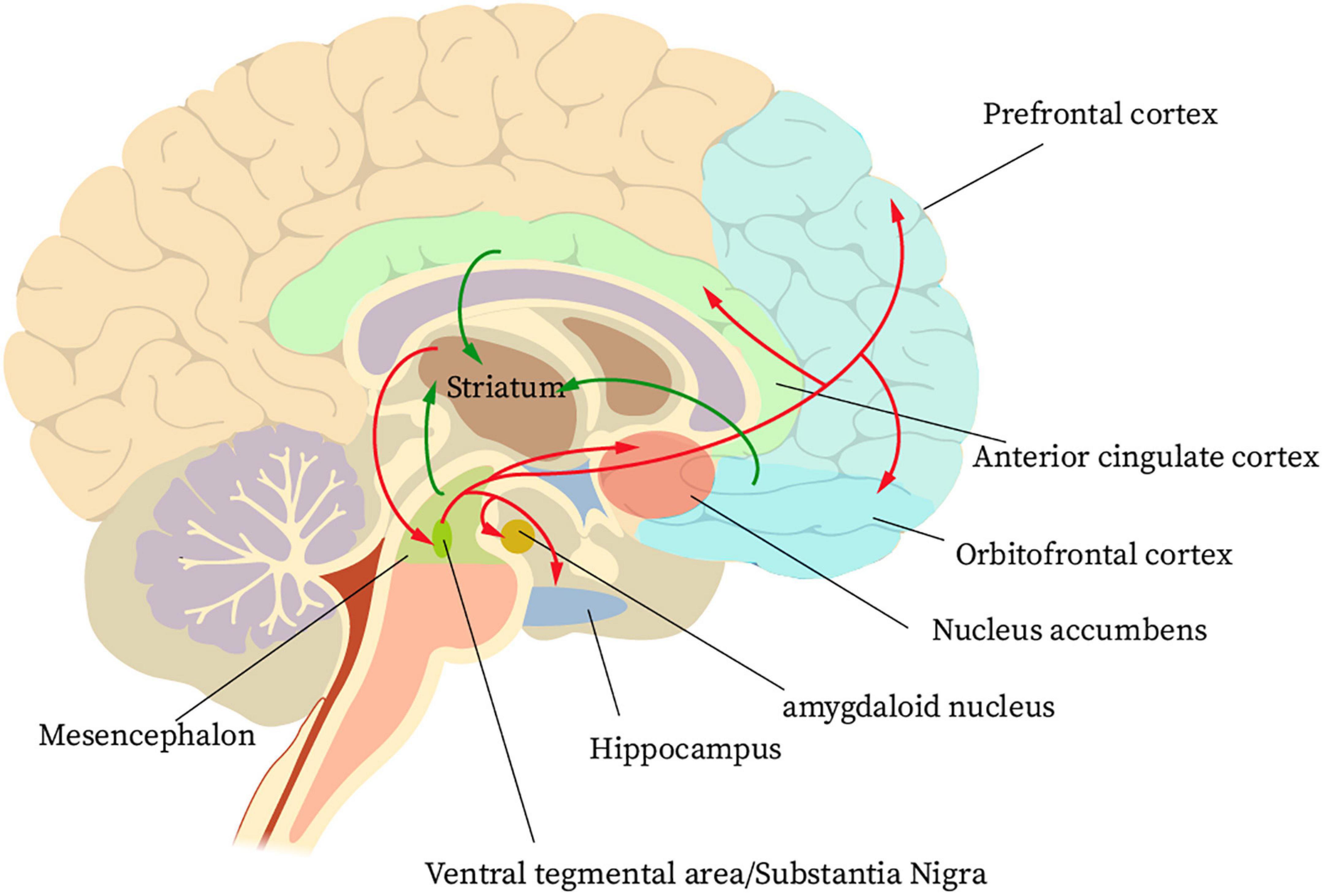
Modern research highlights other forms: ultra-processed food addiction (~14% of adults globally) and behavioral addictions like gaming, gambling, and internet overuse. ([The Guardian](https://www.theguardian.com/science/2023/oct/10/addiction-to-ultra-processed-food-affects-14-of-adults-global-study-shows?utm_source=chatgpt.com))
6. Why This Matters
- Reframes addiction as a complex interplay of biology, environment, and behavior.
- Opens multiple avenues for research: neuroscience, psychology, genetics.
- Reduces stigma and encourages empathy for those affected.
7. Key Questions Still Unanswered
- How to identify individuals at highest risk before addiction takes hold?
- Can drugs like GLP-1 agonists be safely repurposed broadly for addiction treatment?
- What role do social and environmental contexts play, especially in digital addictions?
- How to scale treatments globally in underserved communities?
8. What Can You Do Now
- If concerned about habits, seek professional help — addiction is treatable.
- Be aware of reward-system hijacks from foods, devices, and substances.
- For researchers: stay updated on neuroscience and interdisciplinary studies.
References & External Links
- Stanford Medicine – Brain Addiction Science
- Nature Portfolio – Addiction
- ScienceDaily – Addiction News
- Stockholm University – Addiction Study
- Times of India – GLP-1 and Addiction
- The Guardian – Food Addiction
Tags
addiction science, brain reward system, substance use disorder, behavioral addiction, neuroscience research, new treatments for addiction, GLP‑1 addiction therapy
