
Addiction in the Modern World
Addiction in the Modern World – How Our Brains Are Being Hijacked
Introduction


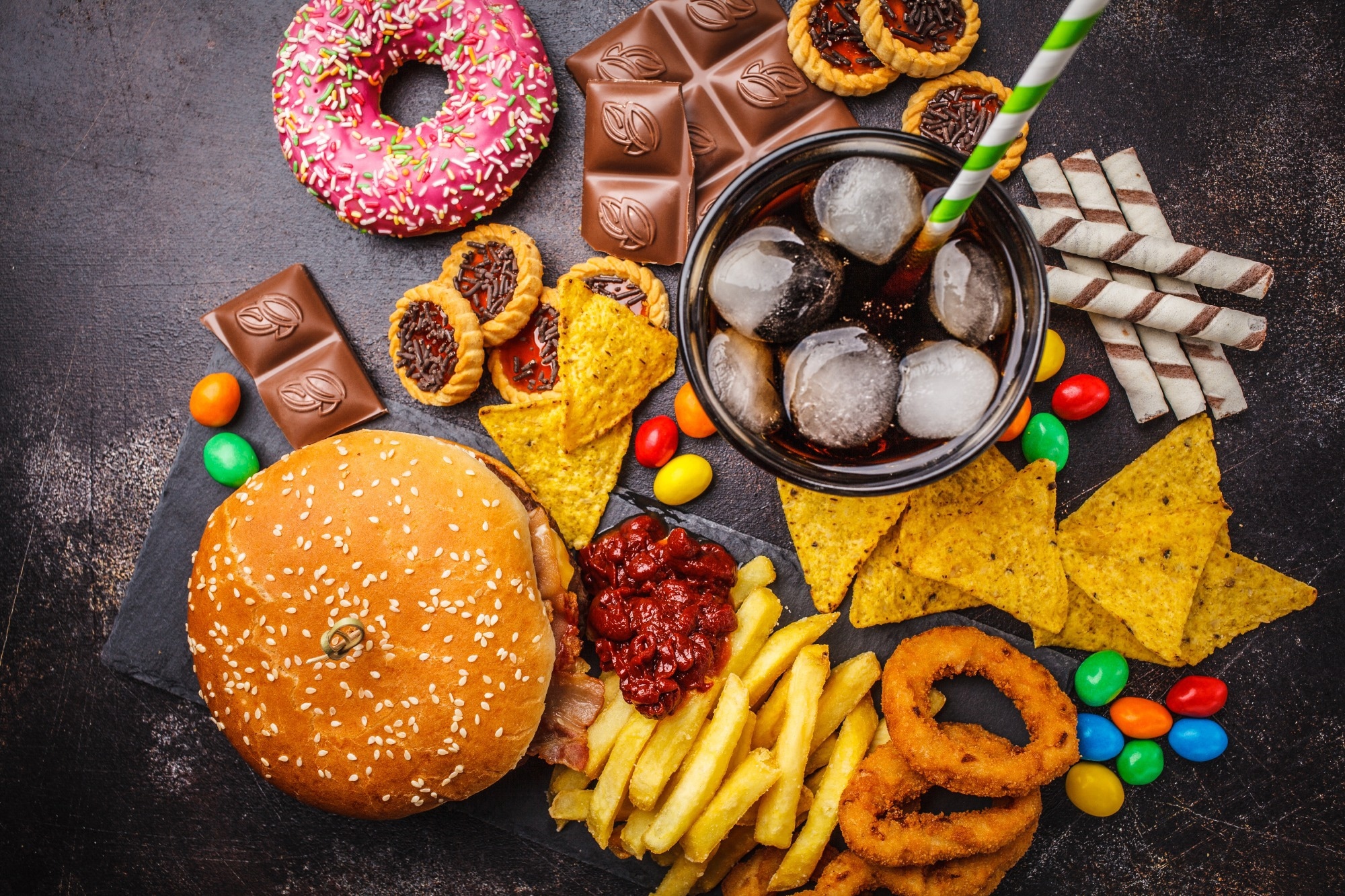
Addiction isn’t just about illicit drugs in dark corners. It’s about how our brain’s reward system, designed for survival, can be hijacked by modern stimuli — from ultra-processed food to social media to gambling. As Stanford Medicine puts it: “We’ve got an old brain in a new environment.” Read more: Stanford Medicine
Why Our Brains Are Wired for Addiction
The human brain evolved reward circuits to encourage behaviours necessary for survival — eating, social connection, reproduction. ([Yale Medicine])
Modern stimuli – highly-palatable food, social media, machine-based gambling – exploit the same circuits in an exaggerated way, resulting in compulsive and persistent behaviours.
Emerging Types of Addiction
Food and Ultra-Processed Foods
A global study found that up to ~14% of adults may show addiction-like behaviour to ultra-processed foods: intense cravings, withdrawal-like symptoms, continued use despite consequences. Source: The Guardian
Digital/Screen/Social Media Addiction
Behavioural addictions to internet use, smartphones, and social media have surged. Studies show ~10.3% of undergraduates display internet-addiction symptoms. Source: Nature Scientific Reports
Gambling, Exercise, Buying, Other Behavioural Addictions
Compulsive buying (~10.3%), exercise addiction (~5.5%) are also significant behavioural addictions. ([Nature Scientific Reports])
What Happens in the Brain?
- Reward system hijack: Stimulus triggers dopamine surge larger than natural rewards. ([Yale Medicine])
- Tolerance and escalation: Brain reduces natural reward responses; more substance/behaviour is needed.
- Loss of control: Prefrontal cortex becomes less able to regulate impulses.
- Withdrawal/negative affect: Dysphoria, anxiety, cravings when behaviour/substance is removed.
- Compulsion & relapse: Environmental cues trigger relapse.
Why It Matters
Addiction is rooted in brain mechanics + environment. Emerging addictions (food, screens) affect large populations. Recognising addiction-risk behaviours early is vital.
Practical Tips
- Awareness & boundaries: Recognise compulsive behaviours affecting sleep, work, relationships.
- Limit high-reward stimuli: Reduce ultra-processed food, social media, gambling.
- Replace with meaningful rewards: Exercise, social connection, creative work.
- Seek professional help: If unable to stop behaviour/substance.
- Support others: Talk openly about addiction-risk behaviours in family/work.
References & External Links
- Stanford Medicine – Addiction Science
- The Guardian – Ultra-Processed Food Addiction
- Nature Scientific Reports – Behavioural Addictions
- ScienceDaily – Addiction News
Tags
addiction, behavioural addiction, brain reward system, digital addiction, food addiction, ultra-processed food, screen time addiction, internet addiction, compulsive behaviours, addiction science
