
When the Waters Recede: Leadership, Loss, and the Long Shadow of Tragedy
When the Waters Recede: Leadership, Loss, and the Long Shadow of Tragedy
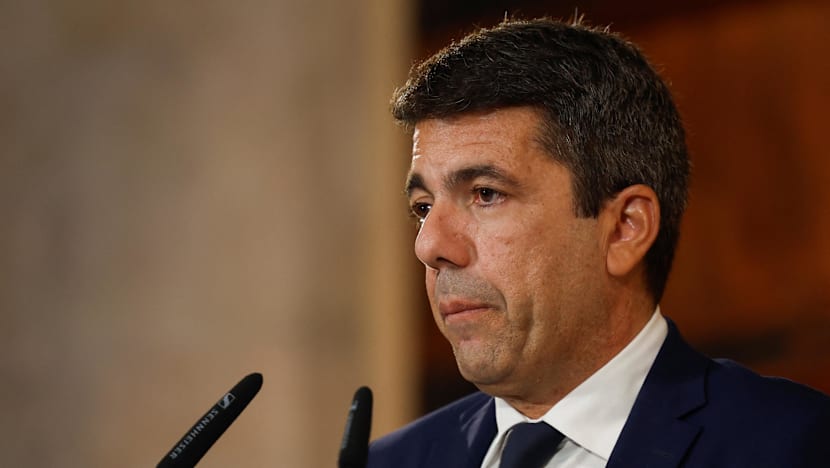
A year can be a lifetime when measuring the aftermath of profound tragedy. For communities grappling with immense loss, the passage of seasons does little to erase the vivid memories of a natural disaster. Instead, it transforms the acute pain into a chronic ache, constantly reminding survivors of what was, and what now must be rebuilt.
The very fabric of daily life is torn apart when nature unleashes its fury. Homes are swept away, livelihoods obliterated, and the familiar landscape irrevocably altered. Beyond the immediate physical destruction, such events expose the often-fragile foundations of infrastructure and, crucially, the societal mechanisms designed to protect and support its citizens.
In the chaos that follows, leadership is not just desired; it is desperately needed. The public turns an anxious, hopeful gaze towards those at the helm, seeking guidance, reassurance, and efficient action. This period of intense vulnerability puts an unprecedented spotlight on elected officials, whose every decision, every statement, is dissected and judged.
Yet, the reality of managing a large-scale catastrophe is fraught with complexity. Resources are stretched thin, communication lines can falter, and the sheer scale of human suffering can overwhelm even the most experienced administrators. The expectation from a grieving populace, however, often remains absolute and unforgiving, demanding perfection in an imperfect storm.
When the initial emergency response transitions into the long, arduous phase of recovery and reconstruction, public scrutiny doesn't wane; it often intensifies. Questions arise about preparedness, the effectiveness of aid, and the speed of restoration. For a leader, this prolonged period can feel like walking a tightrope, with every misstep amplified by the lingering trauma.
It is within this crucible of public sentiment and political responsibility that difficult decisions are sometimes made, or forced. A leader’s departure, particularly after a period of intense criticism following a devastating event, often symbolizes more than just a political transition. It can represent a collective reckoning, an acknowledgment that the response, or perhaps the perceived lack thereof, fell short of expectations.
While such resignations might offer a sense of accountability, the actual impact on the ground can be multifaceted. For some, it may bring a modicum of closure, a symbolic turning of the page. For others, it might be viewed as a scapegoat mechanism, deflecting from deeper systemic issues that remain unaddressed even after a change in personnel.
This situation compels us to reflect on the nature of leadership in crisis. Is it enough to be competent, or must one also embody unwavering empathy and an almost superhuman capacity to coordinate vast, complex relief efforts? The ethical tightrope between doing one's best and meeting the impossible demands of a suffering populace is incredibly fine.
The true legacy of such events extends far beyond political careers. It lies in the resilience of the affected communities, the lessons learned about urban planning, environmental stewardship, and emergency preparedness. Every drop of rain, every gust of wind, now carries a heightened significance, a constant reminder of nature's power and humanity's vulnerability.
Ultimately, a change at the top, while significant, is merely one chapter in a much larger story of recovery and adaptation. The real work continues in the homes and hearts of those who endured the unimaginable, in the ongoing efforts to fortify communities against future threats, and in the collective memory that refuses to let such profound loss be forgotten.
This particular instance serves as a stark reminder that the weight of public office becomes heaviest when disaster strikes. It underscores the profound and often uncomfortable connection between natural forces and political fates, leaving an indelible mark on both the landscape and the leadership tasked with its protection.
In the quiet aftermath, as the waters truly recede and the debris is cleared, the enduring challenge remains: not just to rebuild what was lost, but to envision and construct a more resilient future, informed by the echoes of tragedy and the unyielding call for principled governance.
References
- Spain floods kill six as extreme weather batters south-east - The Guardian
- Spain regional leader resigns, year after deadly floods - Reuters
- Spain: Deadly floods hit Valencia region as storms lash country - BBC News
Tags
- Natural Disaster
- Political Accountability
- Disaster Recovery
- Crisis Leadership
- European Politics
