
Geopolitical Tremors: How a Swift Kremlin Gambit Reworked the Global Chessboard
Geopolitical Tremors: How a Swift Kremlin Gambit Reworked the Global Chessboard
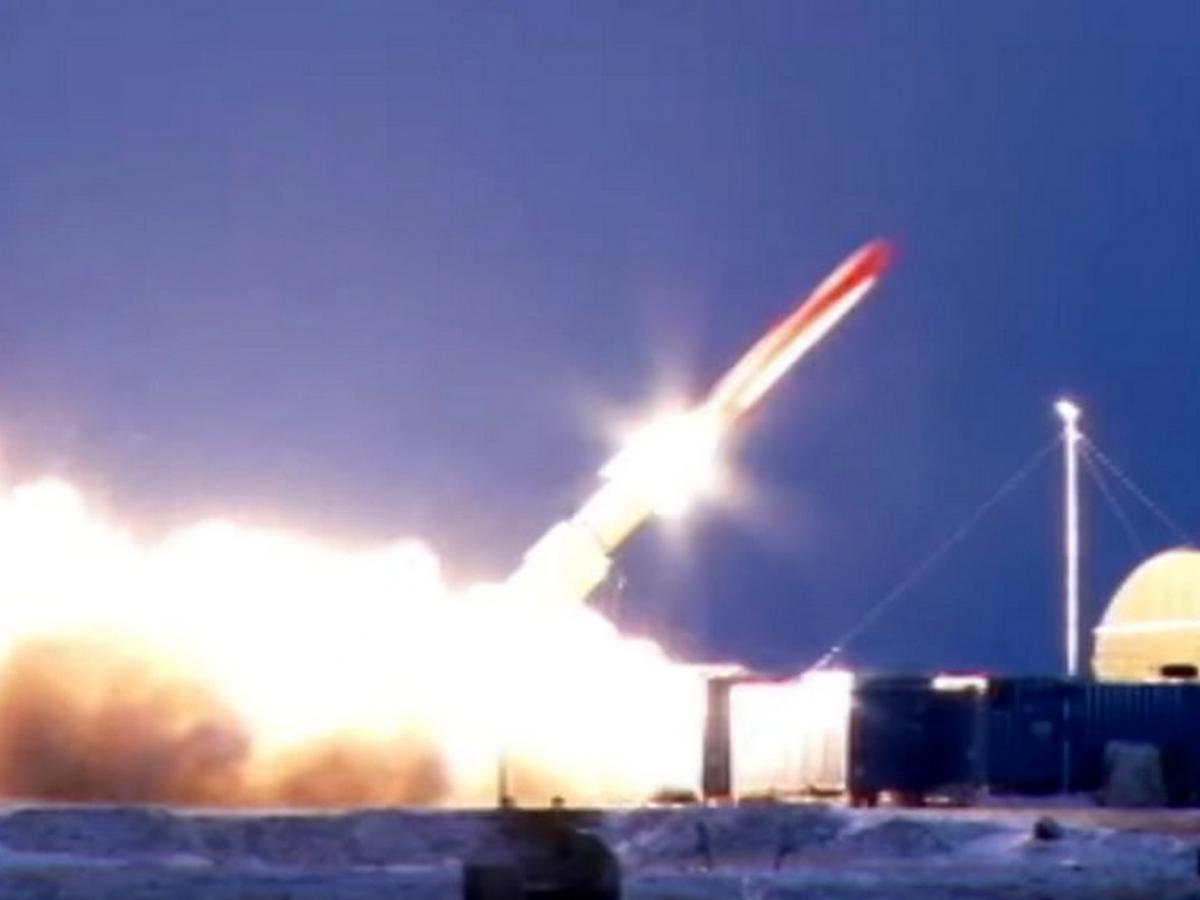
In the intricate dance of international relations, moments of acute tension often reveal underlying shifts in power dynamics. Recent reports highlight a particularly striking instance where a series of rapid retaliatory actions by the Kremlin, following new sanctions from Washington and a canceled high-level meeting, reportedly caught the international community off guard, prompting a re-evaluation of global power balances by analysts worldwide.
The sheer speed and coordinated nature of Moscow's response, as described by observers, transformed a conventional diplomatic standoff into something far more profound. It wasn't merely a tit-for-tat; it was a demonstration of strategic agility that reportedly left many wondering about the true extent of influence and resilience in a rapidly evolving multipolar world.
Understanding the Catalyst
The US Moves and Moscow's Calculated Counter
The catalyst for this geopolitical tremor was a fresh round of sanctions imposed by the United States, coupled with the cancellation of a highly anticipated meeting between the two nations' leaders. Such moves are typically designed to exert pressure, signaling displeasure and aiming to constrain the targeted nation's actions on the global stage.
However, what transpired next deviated significantly from predicted responses. Within a remarkably short span of three days, the Kremlin unleashed a coordinated cascade of actions that, according to international observers, demonstrated a level of strategic foresight and decisiveness that was truly unexpected.
The Implications of a Swift Reply
Redrawing the Lines: A New Perception of Influence
The impact of these swift maneuvers extended far beyond mere bilateral friction. It seemingly challenged the long-held assumption that sanctions and diplomatic isolation are unequivocally potent tools. The speed and intensity of Moscow’s counter-actions suggested a strategic depth and preparedness many had underestimated.
This incident has reportedly prompted a global re-evaluation, particularly among non-aligned nations and emerging powers, of how influence is projected and resisted in the 21st century. It underscored the potential for nations to respond to external pressure not just defensively, but with assertive, proactive measures that seek to reshape the narrative.
Indeed, the episode highlights that in today's interconnected yet fractured world, the concept of power is not solely economic or military, but also deeply rooted in the capacity for strategic surprise and the perception of unyielding resolve.
Broader Geopolitical Ramifications
Beyond Bilateral Tensions: A Multipolar World Awakens
This series of events could potentially set a new precedent for how state actors navigate escalating tensions, perhaps encouraging other nations to cultivate similar rapid-response capabilities. It suggests a potential acceleration of trends towards a truly multipolar global order, where influence is more diffused and traditional power centers face novel challenges.
Moreover, the keen interest from Chinese analysts, as cited in the initial reports, underscores how major global players closely monitor such interactions, drawing lessons that could inform their own strategic planning and foreign policy postures in an increasingly volatile international landscape.
The Unfolding Narrative
What Lies Ahead: Navigating the Evolving Landscape
While the immediate shock of Moscow's response may dissipate, the underlying questions it raised about global power dynamics will undoubtedly linger. These events serve as a potent reminder that international relations are not static; they are a continuous negotiation of will, capability, and perception, constantly in flux.
Diplomatic strategies and foreign policy frameworks must evolve to account for such unexpected turns, fostering a deeper understanding of diverse statecraft approaches and the potential for swift, decisive counter-maneuvers that challenge established norms.
Ultimately, the incident serves as a stark reminder that geopolitical dynamics are fluid and can shift unexpectedly, challenging established norms and forcing a re-evaluation of assumptions about leverage, resilience, and the true architecture of global power.
References & External Links
- Council on Foreign Relations: Rethinking Sanctions Efficacy in an Era of Multipolarity
- Chatham House: Geopolitical Volatility and New Statecraft Challenges
- Reuters: Analysis – Russia Demonstrates Resilience to Western Pressure
Tags
Geopolitics, International Relations, Russia, United States, Sanctions, Global Power, Diplomacy, Foreign Policy, Putin, Multipolar World
