
High-Flying Climate Costs: Nations Propose Luxury Flight Tax at COP30
High-Flying Climate Costs: Nations Propose Luxury Flight Tax at COP30
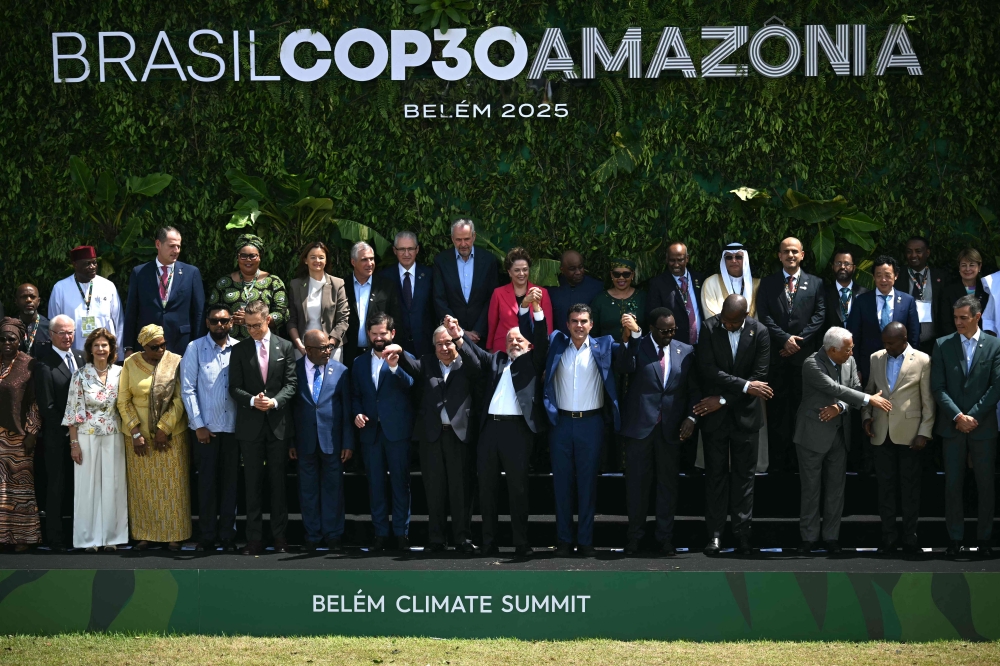
As the world gears up for COP30, the annual United Nations climate summit, the air is thick not just with anticipation, but also with a bold new proposal aimed squarely at the aviation sector's most carbon-intensive segment. A coalition of nations, including France, Spain, and Kenya, are championing an initiative that seeks to impose a luxury tax on private jets and first-class airline tickets, marking a significant shift in how we might fund climate action.
This burgeoning discussion is more than just a fiscal measure; it's a profound statement about climate justice and equitable responsibility. The proposal posits that those who contribute disproportionately to aviation emissions through their high-end travel choices should also contribute commensurately to the solutions needed to mitigate climate change. It’s a direct challenge to the notion that luxury consumption can remain untaxed when its environmental footprint is so substantial.
The Rationale: Emissions, Equity, and Urgency
The core argument supporting this luxury flight tax is rooted in undeniable environmental data. Private jets, for instance, are notoriously inefficient per passenger mile, emitting significantly more carbon than commercial flights. Similarly, the spatial footprint and associated services for first-class travel contribute to a higher per-passenger emission rate, making these segments prime targets for policies aimed at curbing high-impact lifestyles.
Beyond the raw emissions, the proposal also strongly echoes the principle of 'polluter pays.' For too long, the environmental costs of certain privileges have been externalized, absorbed by the planet and, ultimately, by vulnerable communities globally. This tax seeks to internalize some of those costs, creating a direct financial link between high-emission travel and the imperative for climate action and adaptation funds.
Potential Impacts & Implementation Hurdles
Should this luxury flight tax gain traction, its potential impacts could be multi-faceted. Firstly, it could generate significant revenue, which could then be earmarked for vital climate initiatives, such as renewable energy projects, reforestation efforts, or support for climate-vulnerable nations struggling with extreme weather events and rising sea levels. This dedicated funding stream could be a game-changer for international climate finance.
Secondly, the tax could serve as a powerful disincentive, subtly encouraging a shift in travel behaviour. While those accustomed to luxury might not immediately alter their habits, sustained and significant levies could prompt a re-evaluation of travel choices, potentially leading to a marginal but meaningful reduction in aviation's carbon footprint from its most emissions-intensive segments.
However, the path to implementation is unlikely to be without turbulence. The aviation industry, particularly the private jet sector, is a powerful lobby that will undoubtedly voice strong opposition, citing concerns about economic impact, competitiveness, and the potential for job losses. Defining 'luxury' and ensuring a globally harmonized approach to avoid 'carbon leakage' – where flights simply reroute through untaxed jurisdictions – will also present considerable legal and logistical challenges.
Moreover, the debate will likely delve into who precisely pays the tax and how it is collected. Will it be an add-on to ticket prices, or a levy on aircraft movements? The nuances of international air travel agreements and sovereign taxation rights mean that any such proposal will require extensive diplomatic negotiation and a spirit of collective commitment from participating nations.
Broader Implications for Climate Finance
This proposal at COP30 is more than an isolated idea; it's a symptom of a larger, global imperative to find innovative and equitable sources of climate finance. Traditional funding mechanisms have often fallen short of the massive investment required to transition to a green economy and adapt to a changing climate. Therefore, exploring new taxes on high-carbon activities or luxury consumption is becoming increasingly attractive to policymakers worldwide.
The discussion around a luxury flight tax at such a high-profile summit signals a growing consensus that the burden of climate action cannot solely rest on the shoulders of national budgets or aid programs. It underscores a desire to tap into the very economic activities that exacerbate the climate crisis, transforming them from contributors to the problem into part of the solution.
A Flight Towards Responsibility
The proposed luxury flight tax at COP30 is undoubtedly a bold and potentially transformative move. It encapsulates the challenging but necessary conversations about equity, responsibility, and the true cost of our consumption patterns in an era of climate crisis. While its implementation will face significant hurdles, its very presence on the global agenda reflects a growing determination to hold all sectors accountable for their environmental footprint.
Ultimately, this proposal is an invitation to rethink our relationship with travel and luxury. It challenges us to consider whether the convenience and prestige of private jets and first-class travel can truly be justified when the planet, and its most vulnerable populations, bear the ever-increasing burden of climate change. The conversation sparked at COP30 might just be the first step towards a more sustainable and equitable skies.
References & External Links
- UNEP: Climate Finance Trends and Policies
- ICAO: Environmental Protection in Aviation
- WRI: Private Jet Emissions and Climate Impact
Tags
Climate Change, COP30, Luxury Tax, Aviation Emissions, Sustainable Travel, Climate Finance, France, Spain, Kenya, Environmental Policy
